The Confirmation That Changes Everything
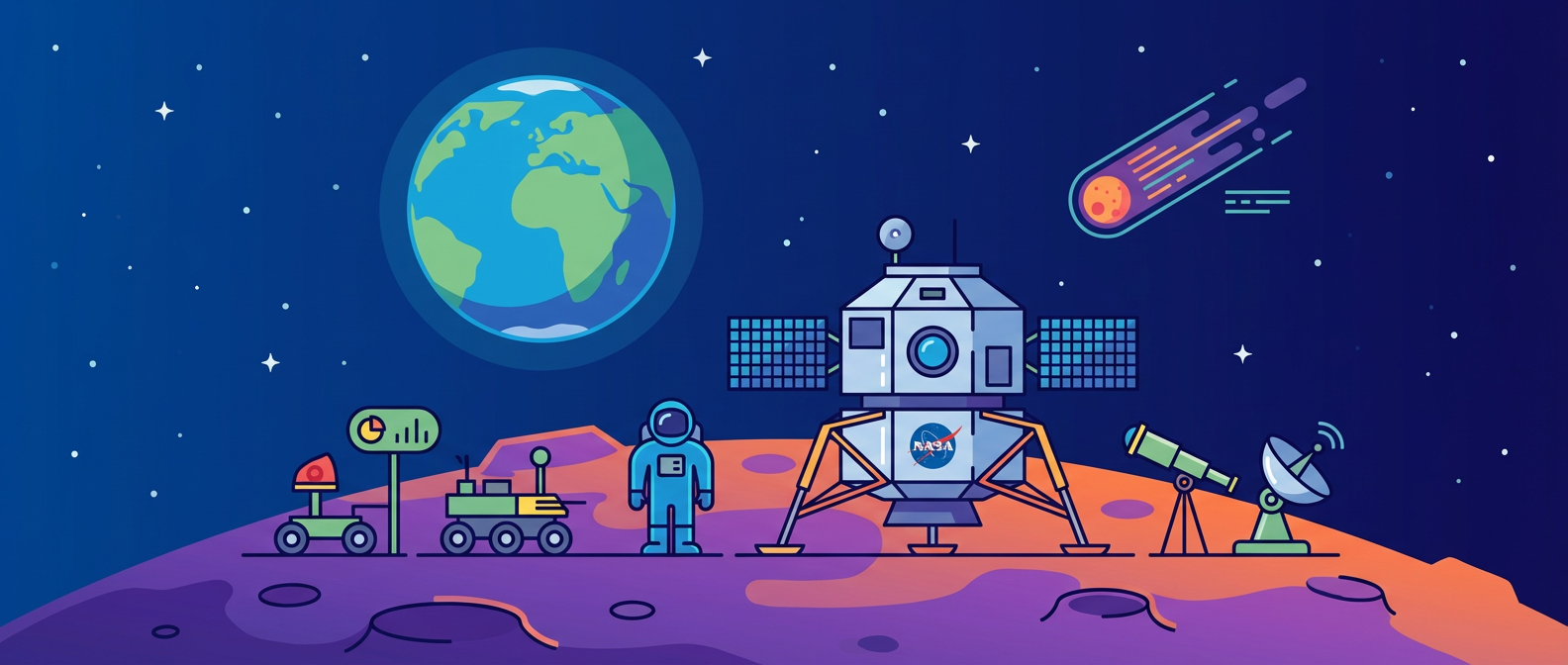
NASA just locked in Artemis III’s launch window for late 2026, and I’ve been combing through the technical briefings like someone possessed. This isn’t vaporware. This is real hardware on real rockets heading to the Moon in less than two years, and the science payload they’ve assembled tells us something crucial about where lunar exploration is actually headed. The mission targets the Shackleton-connecting ridge at the lunar south pole, a location that wasn’t chosen casually. Orbital and airborne surveys from the LCROSS impact mission revealed water ice concentrations reaching 5.6 percent by mass in permanently shadowed craters nearby. That’s not a trace. That’s enough to make a difference.
What strikes me about this mission design is how it reflects a fundamental shift in lunar science priorities. We’re not going south for the geography. We’re going for the volatile record locked in that ice. Three and a half billion years of solar system history sits frozen in those craters, and Artemis III is built specifically to read it.
The Instruments That Will Actually Tell Us Something
Let’s talk about what’s actually riding down to the surface, because this is where the science gets real. The Lunar Environment Monitoring Station, developed by ETH Zurich, is a seismometer with sensitivity down to 10^-9 meters of displacement. To put that in perspective, that’s roughly one-millionth the width of a human hair. This instrument will detect moonquakes with a precision that opens entirely new windows into lunar interior structure, thermal evolution, and subsurface activity. We’ve had seismometers on the Moon before—the Apollo missions left a network that operated through the 1970s—but this is an order of magnitude more sensitive. It’s the difference between hearing a thunderstorm and hearing the individual raindrops.
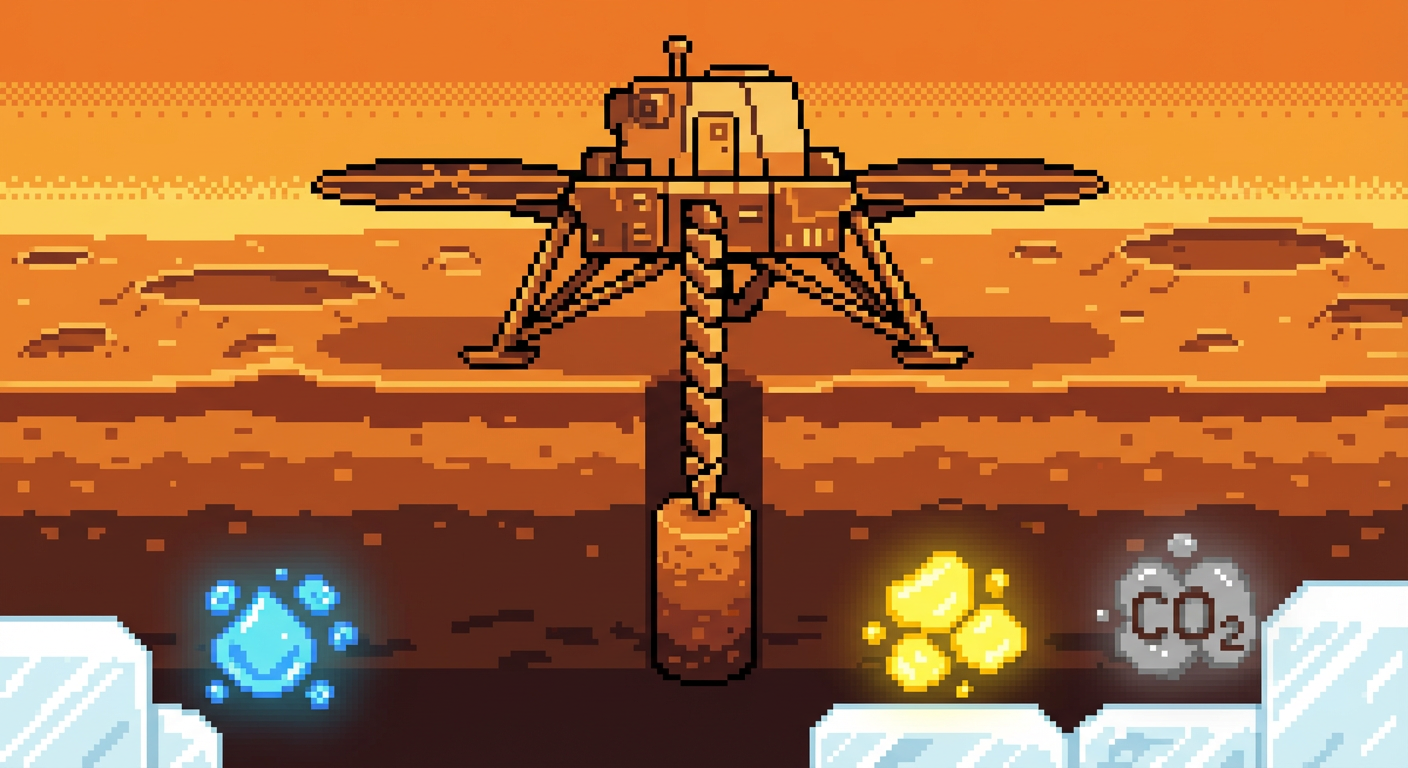
Then there’s the PROSPECT drill system from the European Space Agency. I’ve spent actual hours reading the technical documentation on this, and it’s a remarkably elegant instrument. PROSPECT can extract regolith cores up to one meter deep, which means it’s not just scraping the surface. It’s going deep enough to access ice that’s been protected from solar radiation and the solar wind. The drill can analyze water, yes, but also sulfur compounds and CO2 trapped in those deposits. For the first time, we’re going to have direct samples of these volatiles, not inferred from orbital spectroscopy. We’re going to have chemistry, isotope ratios, and crystalline structure that tell us where this water came from and how it got there.
You can find more details about these instruments on NASA Artemis III Science Overview and the ESA PROSPECT Instrument Page. The ESA page especially deserves your attention if you want to understand the drilling strategy in depth.
Why This Landing Site Matters More Than You Think
A 2025 paper from Brown University’s RELAB lab in Science Advances proposed something that kept me awake last night in the best way. The water ice in the south polar region could date back 3.5 billion years. Three and a half billion years. That puts these deposits at the early solar system, during a period when planetary bombardment was reshaping everything and volatiles were being delivered across the inner solar system. The isotopic signature of that water—the ratio of deuterium to hydrogen, for instance—could tell us whether it arrived via comets, asteroids, or both. It’s a record of the solar system’s chemical evolution written in frozen water.
The south pole wasn’t chosen randomly either. Permanently shadowed craters there maintain temperatures cold enough to preserve ice on geological timescales. Unlike equatorial regions where water ice would sublimate and escape, the pole is basically a deep freezer. It’s also geologically complex. The Shackleton-connecting ridge sits at the intersection of multiple impact basins and terrains, which means the layering of ice and regolith will tell multiple stories from different time periods.
The Landing System Finally Proves Itself
None of this science happens without getting there reliably. SpaceX’s Human Landing System, the Starship variant, completed its third uncrewed lunar descent simulation in September 2025. The precision was under 50 meters from target. That might sound like a lot if you’re thinking about landing on Earth, but on the Moon it’s extraordinary. It means we can land within a zone where pre-scouted science sites are actually accessible. It means the astronauts won’t waste time driving across unpredictable terrain to reach their target zones.
I want to be careful here about the difference between uncrewed simulations and crewed landings. A third successful simulation is genuinely encouraging, but there’s always been a gap between simulation and reality. Dust behavior, engine performance in actual lunar dust clouds, and real-time navigation all introduce variables that only actual landing experience resolves. The trajectory the technology is on, though? It’s pointing exactly where it needs to point.
What This Means for the Bigger Picture
Artemis III represents something important that doesn’t always make headlines: NASA betting that the Moon’s scientific value outweighs its symbolic value. This isn’t a mission designed primarily around the optics of human footprints, though those will certainly happen. This is a mission architected around answering specific questions about planetary science, volatile distribution, and solar system history. The science payload is driving the mission architecture, not the other way around.
The mix of instruments creates a scientific strategy that’s genuinely more powerful than any single approach. The ETH seismometer can detect moonquakes at continental distances. The PROSPECT drill can extract samples that reveal chemical and isotopic detail. Human geologists can make real-time decisions about where to sample next based on field observations. Each layer adds something the others can’t.
I’m curious where your mind goes with this. Are you following the Artemis program? Do you have thoughts about what questions we should be asking about the lunar south pole? The science is moving fast enough that the conversation is worth having now, while the hardware is still in assembly and the scientific planning is still fluid. Drop your thoughts in the comments or send them my way.