Climate Chaos and the Unraveling of Vector-Borne Disease Patterns

The Thermodynamic Imperative: Why Simple Narratives Fail

Let’s stop pretending climate change just nudges disease ranges around a map. That’s a lazy shorthand that ignores the raw physics at play. We’re not tracking a polite migration of mosquitoes and ticks; we’re watching a thermodynamic restructuring of their entire ecological envelope. A global mean temperature rise of 0.2°C per decade sounds gradual, but biological systems don’t feel the average—they respond to the extremes and the rate of change. The basic reproductive number (R0) for Plasmodium falciparum doesn’t drift upward in a straight line. It lurches, because the extrinsic incubation period and the mosquito’s gonotrophic cycle are both exquisitely tuned to temperature thresholds. This isn’t a subtle shift; it’s a cascade of breached thermal barriers.

Take the Anopheles mosquito. The malaria parasite inside it stops developing below roughly 16–18°C. Historically, highland areas with cool summer nights were protected by that hard floor. But nighttime temperatures are rising faster than daytime ones across many regions, eroding that protection. Warmer conditions speed up both mosquito metabolism and parasite development—until a lethal heat spike kills the vector. The transmission zone doesn’t simply expand; it becomes a shifting mosaic where risk can collapse in previously hyperendemic lowlands and erupt in formerly safe highlands. The physics is straightforward, but the outcome is a complex, moving target that defies the static maps policymakers crave.

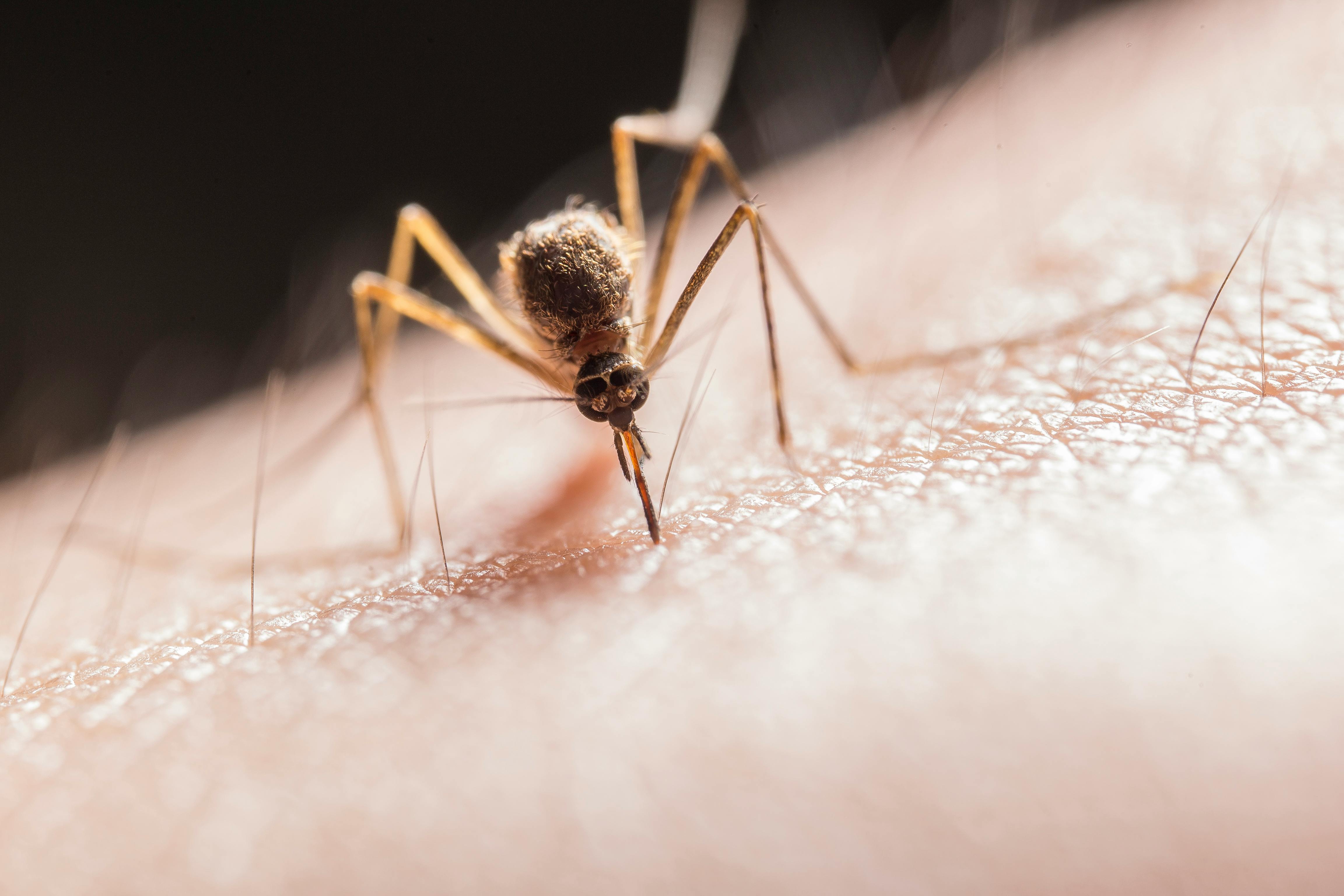
A mosquito on human skin, representing vector-borne disease transmission

The Hydrological Paradox: When Drought Breeds Epidemics

If temperature supplies the kinetic energy, water dictates the habitat. And here, the conventional wisdom collapses completely. Public health messaging loves to warn about flooding and the stagnant pools that breed mosquitoes. That’s a half-truth that misses a more dangerous dynamic: drought-driven urban outbreaks. Aedes aegypti and Aedes albopictus, the vectors behind dengue, chikungunya, and Zika, don’t need swamps. They’re container-breeding specialists, perfectly at home in the anthropogenic landscape. When drought hits a water-insecure city, families store every drop in open drums, buckets, and cisterns—creating a dense patchwork of ideal egg-laying sites right next to human skin. A prolonged dry spell in a crowded neighborhood can ignite an arboviral explosion far faster than a monsoon, which might simply wash the larvae away.

The 2015–2016 Zika epidemic in northeastern Brazil laid this paradox bare. The region was gripped by severe drought, yet Aedes populations boomed in the very containers people depended on to survive. The mosquito’s ecology doesn’t hinge on total rainfall; it hinges on the spatial and temporal distribution of water in human-made microhabitats. Climate models forecasting more frequent and intense El Niño events—which parch parts of the tropics—aren’t predicting a break from mosquito-borne disease. They’re predicting a pivot from rural, rain-fed Anopheles malaria to urban, drought-driven Aedes epidemics. We need to stop thinking like hydrologists and start thinking like the mosquito: exploiting the intersection of human water insecurity and perfect breeding real estate.

A dry, cracked earth landscape illustrating drought conditions that paradoxically increase urban vector breeding sites

Altitude and Latitude: The Crumbling of Historical Refugia

For centuries, altitude was the tropics’ best shield against the deadliest malaria parasites. The highlands of Ethiopia, Kenya, Colombia, and Papua New Guinea were malaria-free not because of their latitude, but because of the adiabatic lapse rate—the steady temperature drop with elevation. A city at 2,000 meters was simply too cool for stable P. falciparum transmission. That shield is cracking. A 2011 study in western Colombia’s highlands found Anopheles species and malaria cases at elevations once considered safe, a direct result of rising isotherms. The mechanism isn’t mysterious: as the 18°C isotherm climbs uphill, so does the parasite’s developmental threshold. And the people living there often lack acquired immunity, making them immunologically naive and primed for severe, high-mortality outbreaks when transmission finally arrives.

The same logic applies to latitudinal shifts, but with a twist. In the Northern Hemisphere, we’re tracking Ixodes scapularis, the black-legged tick that carries Lyme disease, as it marches into Canada. This isn’t a clean range expansion; it’s a messy invasion ecology problem. Tick survival at the northern edge is limited by winter temperature minima, which are rising disproportionately. But the tick also needs host populations—deer, rodents—and a specific humidity regime for questing. Climate change is tugging on all these strings at once. The result is a patchy, non-uniform invasion front where Lyme risk can spike locally years before surveillance catches up. Historical refugia aren’t just shrinking; they’re splintering into a complex archipelago of risk and safety that laughs at simple cartography.

Phenological Mismatch and the Unraveling of Transmission Cycles

Climate change isn’t just moving diseases around in space; it’s tearing at their temporal fabric. Phenology—the timing of biological events—is being desynchronized across trophic levels. Take tick-borne encephalitis (TBE) in Europe. The transmission cycle depends on a tight temporal overlap between nymphal tick questing and the abundance of susceptible rodent hosts. Warmer winters are messing with tick diapause, triggering earlier spring activity. At the same time, shifting snow cover and vegetation phenology are altering rodent population dynamics. The result is a phenological mismatch that can either amplify or suppress transmission, depending on the local cast of species and climate trends. In some Baltic regions, the overlap has intensified, driving record TBE incidence. In others, it’s weakened. The system is no longer in its co-evolved steady state; it’s lurching toward new, unpredictable attractors.

This temporal disruption extends to human behavior. Climate change is rewriting agricultural calendars, pushing farmers into fields during new windows of peak vector activity. It’s shifting the seasonality of outdoor recreation, exposing hikers and campers to ticks in months once considered safe. The public health mantra of “avoid tick habitat in May and June” becomes dangerously obsolete when questing Ixodes adults are active in March. Our guidelines, like our risk maps, are static artifacts in a dynamic world—built on historical averages that no longer reflect the climate system’s lived reality. Failing to update these in near-real-time isn’t a logistical hiccup; it’s an epistemological failure to accept that the past is no longer a reliable guide to the present.

A tick on a blade of grass, poised for questing behavior, representing phenological shifts in tick-borne disease risk

The Co-Infection Amplification Effect

An underappreciated consequence of climate-driven vector expansion is the rising probability of co-infection—within both vectors and hosts. As the geographic ranges of different vector species and their pathogens overlap in new combinations, the chance of a single person being bitten by a mosquito carrying both dengue and chikungunya, or a tick harboring Borrelia burgdorferi and Anaplasma phagocytophilum, climbs nonlinearly. The clinical and epidemiological fallout isn’t additive; it’s synergistic. Co-infection can produce more severe disease, atypical symptoms that delay diagnosis, and complex immune interactions that alter susceptibility to future infections. Our public health infrastructure, built around single-pathogen surveillance and response, is structurally blind to these emergent polymicrobial threats.

Consider Aedes-borne viruses. Dengue, Zika, and chikungunya now co-circulate in many tropical and subtropical cities. Antibody-dependent enhancement (ADE)—where a prior dengue infection worsens a subsequent one with a different serotype—is well-documented. But we’re now seeing evidence of cross-reactive immune responses between Zika and dengue that may similarly modulate disease severity. As climate change forces these viruses into new, overlapping geographies, the immunological landscape of the human population becomes a complex, dynamic variable feeding back into transmission dynamics. This isn’t just more vectors equaling more disease; it’s a qualitative shift in the disease ecology itself.

Surveillance as a Thermodynamic Instrument

Given this complexity, the standard approach to surveillance is intellectually bankrupt. Passive case reporting—relying on clinicians to recognize and report notifiable diseases—is a lagging indicator whose signal-to-noise ratio degrades as the disease landscape grows unfamiliar. A physician in Manitoba who has never seen Lyme disease is not the ideal sentinel for its arrival. We need to pivot from clinical surveillance to environmental surveillance, using the thermodynamic and hydrological variables that drive vectorial capacity as our primary data stream. That means operationalizing real-time remote sensing of land surface temperature, soil moisture, and vegetation indices, and coupling these with dynamic mechanistic models of vector population dynamics and pathogen transmission potential. The technology exists. The will to deploy it systematically does not.

Such a system wouldn’t predict outbreaks in the traditional sense; it would continuously identify the spatial and temporal windows where thermodynamic and hydrological conditions are permissive for transmission. It would be a risk-nowcasting platform, updated with the same frequency as weather models—because it is, in essence, a specialized weather model for disease ecology. When the extrinsic incubation period for P. falciparum drops below a critical threshold in a specific pixel, an alert fires—not because a case has been reported, but because the physics of transmission have aligned. This is the level of rigor the problem demands. Anything less is public health theater.

Frequently Asked Questions

Does climate change mean malaria will spread to Europe and North America?

The question is too broad. For Plasmodium falciparum malaria, sustained autochthonous transmission in most of Europe and North America is unlikely in the near term, thanks to socioeconomic factors—housing, screening, healthcare access—that break the transmission cycle even where competent Anopheles vectors exist. But sporadic local transmission following importation is a growing risk, especially in southern Europe. For Plasmodium vivax, which can develop at lower temperatures and has a dormant liver stage, the risk is higher. The real threat isn’t a return of endemic malaria to the Global North; it’s the intensification and expansion of transmission in the Global South, coupled with increased travel-related importation that challenges elimination efforts everywhere.

Why are tick-borne diseases increasing so rapidly in temperate regions?

The acceleration is driven by a confluence of climate and ecological factors. Warmer winters boost tick overwintering survival and stretch the questing season. Longer growing seasons inflate host populations, particularly deer and rodents. Land-use changes—suburbanization, forest fragmentation—create abundant edge habitats ideal for ticks and their hosts. And climate-driven shifts in human behavior increase exposure. The result is a positive feedback loop: more ticks, more hosts, more human contact, and a longer annual window for transmission. Lyme disease gets the headlines, but anaplasmosis, babesiosis, and Powassan virus are also expanding, often under the radar of clinical awareness.

Can we develop a universal early warning system for vector-borne diseases?

A truly universal system is a fantasy, because the specific drivers vary by vector-pathogen pair and local ecology. But a modular, thermodynamics-based framework is feasible. The core would be a set of mechanistic models that translate climate variables—temperature, humidity, precipitation, soil moisture—into vectorial capacity metrics for key disease systems. These models would be fed by satellite data and numerical weather prediction outputs, generating continuous risk maps. The challenge isn’t the science; it’s the institutional inertia that favors traditional, case-based surveillance and the chronic underfunding of operational environmental health monitoring. The system is possible, but it requires a restructuring of public health priorities that treats climate data as a first-order epidemiological variable, not an afterthought.


The Thermodynamics of Disease: How Climate Change Rewrites Vector-Borne Pathogen Maps

Let’s skip the hand-wringing and platitudes. The standard conversation about climate and health gets trapped in vague warnings about a warmer, sicker world. That’s lazy thinking. We aren’t facing a tidy linear equation where one degree of warming equals a fixed percentage bump in malaria cases. What’s actually unfolding is a fundamental restructuring of ecological thermodynamics. The vectors—mosquitoes, ticks, triatomine bugs—are just the most visible gears in a machine being recalibrated by enthalpy shifts, precipitation kinetics, and phenological mismatches. If you came for a gentle overview, you’re in the wrong room. Here, we take the mechanisms apart.

The Metabolic Accelerator: Temperature and Extrinsic Incubation

Stop picturing a mosquito as a flying syringe. It’s a biological reactor. The variable that demands attention is the extrinsic incubation period (EIP)—the time a pathogen needs to develop inside the vector before it can be transmitted. This isn’t a fixed calendar event; it’s a thermodynamic function. The replication rate of dengue virus inside Aedes aegypti, or Plasmodium parasites inside Anopheles, is governed by ambient temperature. Push the thermostat from 25°C to 28°C, and you don’t just get a hungrier mosquito. You collapse the EIP. For dengue, that window can shrink from 12 days to 7. A five-day reduction is an epidemiological eternity. The vector becomes infectious before its own mortality catches up, sending transmission potential soaring. The relationship isn’t linear; it’s exponential. We’re not just stretching geographic ranges. We’re accelerating the internal biological clock of infection.

Close-up of a mosquito on human skin, highlighting the biological interface of disease transmission

Hydrological Chaos: The Drought-Deluge Paradox

The simplistic model says more rain equals more mosquitoes. That’s not just wrong; it’s a dangerous oversimplification. We’re observing a bifurcation of risk driven by the distinct breeding ecologies of different vector species. Consider the Aedes genus, responsible for dengue, chikungunya, and Zika. These mosquitoes are paradoxically drought-resistant. They don’t need pristine wetlands. They breed in the detritus of human life: discarded tires, water storage drums, bottle caps. When drought hits, people hoard water, and those containers become a sprawling network of cryptic larval habitats. The vector population doesn’t just survive; it explodes precisely when natural water sources vanish.

Now contrast that with Anopheles vectors, the malaria mosquitoes. Many prefer sunlit, natural pools. But when a destabilized climate drops a “rain bomb,” those breeding sites get scoured. Larvae are flushed out. Immediately after a flood, you can see a crash in malaria vector density. Then comes the delayed surge: receding waters leave behind scattered, sun-warmed puddles—perfect nurseries. The pattern isn’t a uniform rise in risk. It’s a chaotic oscillation between drought-triggered urban arboviruses and flood-triggered rural malaria. Public health systems built for predictable seasons are now obsolete.

The Altitudinal Escape Route Closes

High-altitude populations have historically lived above the “malaria line,” a thermal ceiling where parasite development inside the vector stalls. That ceiling isn’t a fixed contour on a map; it’s an isotherm. As the 18°C isotherm creeps up the slopes of the East African highlands and the Andes, it drags Anopheles with it. Naive populations—with zero acquired immunity—get hit without warning. This isn’t a slow adaptation. It’s an epidemic cliff edge. The malaria epidemics that tore through the Kenyan highlands in the 1990s were a warning shot. Now the same script is playing out in Nepal and Colombia. The thermodynamic barrier is dissolving.

Aerial view of a flooded rural landscape, illustrating the complex relationship between water and vector breeding sites

Latitude and the Tick-Borne Invasion

While mosquitoes grab the tropical headlines, the temperate zones face a quieter, more insidious invasion. Ixodes scapularis, the black-legged tick, is the vector for Borrelia burgdorferi (Lyme disease), Anaplasma phagocytophilum, and Babesia microti. Tick phenology is exquisitely tuned to the length of the frost-free season. A longer autumn and an earlier spring don’t just stretch the period of human exposure. They scramble the synchrony between the tick life cycle and its hosts. The questing behavior of nymphs—the stage responsible for most human infections—is shifting earlier into spring, overlapping with the nesting season of naive bird hosts and the outdoor activity of humans emerging from winter. The result is a non-linear amplification of the pathogen reservoir. Lyme disease rates are climbing in Canada and Scandinavia not because of a simple temperature shift, but because a phenological match that used to be misaligned is now locking into place. The system is finding a new, more dangerous equilibrium.

The Reservoir Hosts: Migration and Immune Compromise

Vectors are just the delivery mechanism. The pathogen reservoir—birds, rodents, primates—is also in flux. Climate stress reroutes migration. Birds carrying West Nile Virus are shifting their flyways, introducing the virus to naive vector populations in regions that were previously free of the disease. At the same time, habitat fragmentation squeezes reservoir hosts into higher densities at the edges of human settlements. A stressed, malnourished rodent population carries a higher viral load and mounts a weaker immune response, making it a more efficient amplifier for hantavirus. The vector-host-pathogen triangle is being warped on all three sides at once. Any model that only considers temperature-driven vector expansion is dangerously incomplete.

The Collapse of Seasonality

Traditional public health leans hard on seasonality. We expect flu in winter, West Nile in late summer, Lyme in early summer. Climate change is smearing those boundaries. Milder winters fail to cull the overwintering adult Aedes albopictus population, so spring starts with a higher baseline vector density. The transmission season doesn’t just start earlier; it starts with a larger standing army. Worse, the whole idea of a “season” becomes meaningless when extreme weather events create ephemeral, unpredictable transmission windows. An April heatwave can trigger a pulse of mosquito activity and a rapid EIP collapse, sparking a dengue outbreak months before the surveillance system is even looking for it. Our surveillance systems run on a calendar. The vectors are now running on a thermodynamic schedule.

A thermometer displaying a high temperature against a blurred natural background, symbolizing the thermal drivers of disease transmission

Rethinking Surveillance: From Static Maps to Dynamic Models

The standard public health response—retrospective cluster analysis—is a failure of imagination. By the time you’ve identified a cluster of human cases, the transmission chain is already deeply embedded. We need to shift resources from counting sick humans to monitoring the thermodynamic and ecological precursors of transmission. That means real-time environmental surveillance: trapping vectors to measure infection rates, using satellite data to track vegetation indices and water body dynamics, and feeding all of it into mechanistic models that predict EIP based on microclimate data. The technology exists. The political will and the funding models, still shackled to treatment rather than prediction, do not.

We also have to abandon the fiction of national borders in disease mapping. A drought in Central America that drives Aedes breeding in water drums is a direct threat to Texas. A heatwave in the Horn of Africa that accelerates the Anopheles life cycle is a direct threat to the Arabian Peninsula. Vector-borne diseases are the ultimate transnational threat, yet our surveillance systems remain stubbornly parochial. The climate is global; the vectors are mobile; our data systems must be, too.

FAQ: The Questions You Should Be Asking

Q: Is climate change causing malaria to spread to entirely new continents?
A: The question itself is naive. Malaria isn’t a single entity marching north. It’s a complex of different Plasmodium species with different thermal tolerances, transmitted by different Anopheles species with different ecological niches. What we’re seeing isn’t a simple range expansion but a fragmentation and intensification of transmission in border zones and highlands. The risk to temperate regions with strong public health infrastructure is low for now, but the risk of explosive outbreaks in subtropical margins is high. The real danger is the reintroduction of transmission into areas where it was eliminated, catching weakened health systems off guard.

Q: Why are we seeing dengue outbreaks in places like southern Europe now?
A: Because Aedes albopictus, the Asian tiger mosquito, is a master of human-mediated dispersal. Its drought-resistant eggs travel in used tires and lucky bamboo. Climate warming then allows these introduced populations to survive winters and extend their active season. The vector arrived via globalization; the climate allows it to establish and transmit. It’s a perfect collision of trade and thermodynamics. Once the vector is established, a single viremic traveler returning from an endemic region can trigger an autochthonous outbreak. The system is primed; it only needs a spark.

Q: What is the most underappreciated climate-driven vector threat?
A: Schistosomiasis. We obsess over mosquitoes, but the freshwater snails that transmit schistosomes are exquisitely sensitive to water temperature, flow velocity, and the frequency of extreme flood events. Warming temperatures accelerate snail reproduction and parasite development inside the snail. Dam construction and irrigation schemes, often climate adaptation measures themselves, create ideal snail habitat. We are engineering our own epidemic risk while fixating on the wrong vector.

Q: Can we just develop better vaccines and drugs to solve this?
A: That’s a pharmacological fantasy. There is no licensed vaccine for chikungunya, Zika, or West Nile. The dengue vaccine is a minefield of serotype-dependent enhancement. Antimalarial resistance is spreading. Even if we had perfect drugs, the logistical challenge of delivering them during climate-driven disasters—floods, heatwaves, displaced populations—would overwhelm any system. The solution is not just in the pharmacy; it’s in urban design, water management, and real-time ecological surveillance. We need to drain the breeding sites, not just treat the fevers.

This isn’t a problem of the future. It’s a problem of the present, described in the wrong language. We talk about “emerging diseases” as if they’re new. They’re not. They’re old diseases emerging into new thermodynamic spaces. The map is being redrawn by physics, and our public health cartography is decades behind. The vectors don’t negotiate. They don’t adapt to our policies. They adapt to temperature, humidity, and the availability of standing water. Until our response is as ruthlessly mechanistic as the threat, we will stay one step behind a mosquito that doesn’t even know we exist.

The Thermodynamics of Disease: How a Warming Planet Redraws the Maps of Vector-Borne Illness

Let’s skip the hand-wringing. Climate change isn’t a future hypothetical for vector-borne disease—it’s a present-tense, quantifiable restructuring of pathogen transmission. The data aren’t subtle. They’re blunt. We’re watching Aedes mosquitoes march poleward, Anopheles climb to higher altitudes, and Ixodes ticks stretch their active season. Calling this “more mosquito days” misses the point entirely. What’s happening is a fundamental shift in the thermodynamic envelope that controls the extrinsic incubation period, vectorial capacity, and the basic reproductive number of multiple pathogens. This isn’t complexity for its own sake. It’s the specific, mechanical reality that public health systems are failing to absorb fast enough.

Mosquito resting on a leaf, representing the primary vector for diseases like malaria and dengue whose range is expanding.
The range of Aedes albopictus has expanded dramatically, driven by temperature and precipitation shifts.

The Basic Reproductive Number Is a Climate Variable

For any vector-borne pathogen, the basic reproductive number (R0) isn’t a fixed biological constant. It’s a function of temperature, humidity, and precipitation, all filtered through the vector’s life cycle. The formula is well-established: R0 is proportional to the vector-to-host ratio, the biting rate, and the probability of daily survival, raised to a power set by the extrinsic incubation period—the time it takes for a pathogen to develop inside the vector and become transmissible. Temperature tweaks each of these terms directly. A 2°C rise doesn’t just add a linear bump in risk. It can compress the extrinsic incubation period of dengue virus in Aedes aegypti from 12 days down to 7. That five-day reduction is an exponential amplifier of transmission potential, because fewer mosquitoes need to survive the full incubation to become infectious. The math doesn’t forgive.

Look at the altitudinal gradient. In the Ethiopian highlands, Anopheles arabiensis has historically been pinned below the 1,800-meter isotherm. Below that line, malaria transmission was endemic; above it, populations lacked functional immunity. Since 2010, about 0.5°C of warming in the region has lifted that ceiling by roughly 100 meters. The result isn’t a slow creep. It’s an immunological cliff: naive populations at higher elevations are now exposed to Plasmodium falciparum without the partial protection that repeated exposure builds. The 2017 malaria outbreak in the Ethiopian highlands, which sickened thousands in areas once considered non-endemic, wasn’t a fluke. It was a predictable consequence of shifting isotherms.

Lyme Disease and the Phenology of Risk

The Lyme disease conversation often gets stuck on deer numbers or forest fragmentation. Those matter, but they’re secondary to the thermal constraints on Ixodes scapularis, the black-legged tick. Ticks are ridiculously sensitive to humidity and temperature. Their questing behavior—climbing vegetation to grab a host—needs relative humidity above 85% and temperatures above 4°C. Climate change is reshaping both the geographic envelope and the seasonal window for questing. In Canada, the northern limit of I. scapularis has advanced about 46 km per year over the past decade. In the northeastern United States, the questing season now starts two to three weeks earlier and lingers later into autumn. That’s not a subtle shift. It’s a measurable expansion of human-tick contact time.

Close-up of a tick on human skin, highlighting the risk of Lyme disease transmission.
The questing season for Ixodes scapularis has lengthened, increasing the window for Lyme disease transmission.

But the sneakier mechanism involves the synchrony—or asynchrony—of tick life stages. I. scapularis runs a two-year cycle: larvae, nymphs, adults. The nymphal stage causes most human Lyme cases, because nymphs are tiny, abundant in spring and early summer, and often go unnoticed. Climate warming can throw the peak activity of nymphs out of sync with the peak activity of their preferred hosts, like white-footed mice. When that happens, nymphs may feed on alternative hosts—including humans—more often. Or warming can compress the whole life cycle, letting ticks finish development in a single year in regions where a two-year cycle used to be mandatory. That speeds up population growth and pumps up pathogen prevalence. The simple “more ticks = more disease” equation misses the phenological nuance completely.

Dengue’s Latitudinal Escape

Dengue is the fastest-expanding mosquito-borne viral disease on the planet, and its spread isn’t just a story of urbanization and travel. The thermal limits of Aedes aegypti and Aedes albopictus are being redrawn. Ae. aegypti, the primary vector, has a lower temperature threshold for larval development around 10°C. Historically, that locked the vector—and epidemic dengue transmission—into the tropics and subtropics. Ae. albopictus, the Asian tiger mosquito, is more cold-tolerant and can diapause, surviving temperate winters. It’s been a secondary vector, less efficient but able to stretch the geographic range of transmission. What we’re seeing now is the convergence of these two species’ ranges, with Ae. aegypti pushing into southern Europe and the southern United States in ways that models from even a decade ago didn’t predict.

In 2023, autochthonous dengue cases were reported in France, Italy, and Spain—not imported cases, but locally acquired infections. The European Centre for Disease Prevention and Control documented a sharp rise in locally transmitted dengue, chikungunya, and Zika. The vector is established. The pathogen is being introduced by viremic travelers. And the thermal conditions now let the extrinsic incubation period complete before the mosquito dies. The triad is complete. The public health response, though, stays reactive, leaning on case detection and vector control campaigns that are seasonal and underfunded. The thermodynamic reality demands a structural shift toward year-round surveillance in newly suitable regions.

Precipitation Extremes and the Paradox of Drought

One of the more irritating oversimplifications in climate-health talk is the assumption that wetter conditions always boost vector-borne disease. The relationship is nonlinear and often counterintuitive. For Aedes mosquitoes, which breed in artificial containers, drought can amplify risk. During water shortages, households store water in tanks, barrels, and buckets—creating perfect larval habitats right next to people. The 2015–2016 Zika epidemic in Brazil was worsened by drought conditions in the northeast, where reliance on stored water multiplied vector breeding sites. On the flip side, extreme flooding can flush out breeding sites and temporarily knock down vector populations, only to leave new stagnant pools as floodwaters recede. The net effect depends on the sequence of events and the specific ecology of the vector.

Stagnant water in an urban environment, a potential breeding ground for disease-carrying mosquitoes.
Urban water storage and stagnant pools create microhabitats for Aedes mosquitoes, even during drought conditions.

For malaria vectors, the relationship is different. Anopheles mosquitoes usually breed in natural ground pools that need sustained rainfall. But extreme precipitation events can create ephemeral breeding sites that are too short-lived for larvae to complete development, effectively cutting vector populations. The key variable isn’t total precipitation. It’s the frequency and intensity of events, which determine whether breeding sites stick around long enough for a new cohort of adult mosquitoes to emerge. Climate models project an increase in precipitation variability—more intense rainfall events separated by longer dry spells. This pattern is particularly friendly to Aedes vectors and less so to Anopheles, hinting at a relative shift in the burden of arboviral versus malarial disease in certain regions. The nuance matters for where we put resources.

Pathogen Evolution in a Warmer World

Temperature doesn’t just mess with vector ecology; it directly affects pathogen replication rates inside the vector. The extrinsic incubation period for dengue virus drops exponentially with temperature up to a thermal optimum, beyond which vector mortality spikes and transmission collapses. That creates a thermal window for transmission that’s shifting poleward and upslope. But there’s a second-order effect that gets too little attention: thermal adaptation of the pathogen itself. RNA viruses—dengue, chikungunya, Zika—have high mutation rates and short generation times. When a virus population is repeatedly exposed to a new thermal regime, say cooler temperatures at higher latitudes, selection pressure favors variants that replicate efficiently at those temperatures. There’s already evidence that dengue virus serotype 2 has adapted to replicate more efficiently in Aedes albopictus at lower temperatures, a finding with direct implications for transmission in temperate regions.

This isn’t some distant evolutionary prospect. It’s a measurable, ongoing process. The chikungunya virus outbreak in Italy in 2007 was driven by a strain with a single amino acid substitution in the E1 glycoprotein that enhanced replication in Aedes albopictus. That mutation popped up independently in multiple locations, suggesting strong convergent selection pressure. As temperate regions become more permissive for vector survival, the selective landscape for arboviruses will shift, favoring variants with lower thermal thresholds for replication. We’re not just moving the vectors. We’re selecting for pathogens that can exploit the new territory.

Modeling Failure and the Need for Mechanistic Rigor

I’ve reviewed dozens of predictive models for climate-driven vector-borne disease expansion, and most share a common flaw: they lean on statistical correlations between historical climate data and disease incidence, then extrapolate those correlations under future climate scenarios. That approach is fundamentally inadequate. Correlation-based models assume stationarity in the relationship between climate and disease—an assumption that climate change itself violates. As temperature and precipitation patterns shift beyond the historical range, the statistical relationships derived from past data break down. The models fail to catch threshold effects, nonlinear responses, and evolutionary adaptation.

The alternative is mechanistic modeling, which explicitly represents the biological processes linking climate to transmission: vector development rates, biting frequency, pathogen incubation, and host immunity. These models are parameter-intensive and need detailed entomological and epidemiological data, but they’re the only approach that can project risk under non-stationary climate conditions. The reluctance to invest in mechanistic modeling at scale isn’t a technical limitation. It’s a failure of institutional imagination and funding priorities. We have the computational tools. We lack the will to deploy them systematically.

Surveillance Deficits and the Data Desert

Effective early warning systems for vector-borne disease need real-time data on vector abundance, pathogen prevalence in vectors, and environmental conditions. In most of the world, those data don’t exist. Sub-Saharan Africa, which carries the heaviest malaria burden, has sparse entomological surveillance outside of research sites. Southeast Asia, the epicenter of arboviral emergence, lacks integrated vector-pathogen-climate monitoring. Even in the United States, tick surveillance is fragmented across state and county agencies with inconsistent methods and reporting standards. We’re flying blind into a storm we can see on radar.

The solution isn’t more pilot projects. It’s standardized, sustained surveillance networks that feed into operational early warning systems. That takes funding, training, and political commitment that outlasts election cycles. Climate change is a long-duration event; our surveillance infrastructure has to match its timescale. The current model of three-year grants and academic publication cycles is mismatched to the problem. We need permanent institutional capacity, not episodic research.

Frequently Asked Questions

Is climate change the only factor driving the spread of vector-borne diseases?

No, and I’d never claim otherwise. Urbanization, land-use change, human travel, and socioeconomic factors all contribute. But climate change is the factor that’s systematically altering the fundamental physical constraints on transmission across all regions at once. It’s the common denominator that amplifies local risk factors. Ignoring it because other factors exist is like ignoring the rising tide because there are also holes in the boat.

Can we adapt to these changes without reducing greenhouse gas emissions?

Adaptation is necessary but not enough. We can improve surveillance, develop vaccines, and implement vector control. But the pace of warming is outstripping our adaptive capacity. At a certain thermal threshold, vector control becomes economically and logistically unsustainable in regions that were previously disease-free. Mitigation—reducing emissions—isn’t an alternative to adaptation; it’s a prerequisite for adaptation to remain feasible. The two aren’t in tension. They’re hierarchically linked.

Which vector-borne disease poses the greatest threat to temperate regions in the next decade?

Dengue. The convergence of Aedes albopictus establishment, increasing importation of dengue virus by travelers, and warming temperatures that shorten the extrinsic incubation period creates a high-probability scenario for sustained local transmission in southern Europe and the southern United States. West Nile virus will also keep causing seasonal outbreaks, but dengue has greater epidemic potential because of the high viremia in humans and the urban ecology of its vectors. Public health agencies in temperate regions should be planning now for routine dengue transmission, not treating it as a rare imported curiosity.

What can individuals do to protect themselves?

Individual action is a thin reed against a structural problem, but it’s not worthless. Eliminate standing water on your property—check gutters, flowerpot saucers, and any container that holds water for more than five days. Use EPA-approved repellents. Wear long sleeves and pants in tick habitat, and do tick checks after outdoor activity. Support local vector control programs and advocate for sustained funding. But understand that individual behavior change can’t compensate for the absence of systemic surveillance and control infrastructure. The responsibility lies mainly with governments and international agencies, not with citizens trying to enjoy their backyards.

The Unraveling Thermostat: Climate Change and the March of Vector-Borne Disease

The data aren’t subtle. They don’t whisper cautions from a hazy future. They are a clamorous, present-tense indictment of our refusal to grasp the sheer physicality of climate change. We keep framing it as a matter of politics, economics, abstract carbon budgets. That’s a category error with teeth. Climate change is, at its core, a reorganization of the planet’s heat engine. And when you retune a heat engine, the first and most predictable responders are the cold-blooded couriers of disease: the vectors. To call this a ‘future threat’ is to be willfully blind to the entomological and epidemiological records already being rewritten on every continent except Antarctica.

I’ve spent my career dismantling the mechanistic links between environmental variables and pathogen transmission. The math isn’t hard. The basic reproductive number (R0) for a vector-borne pathogen is exquisitely sensitive to temperature, biting rate, and vector mortality. A fraction of a degree of warming doesn’t just make a mosquito ‘a bit more active.’ It compresses the extrinsic incubation period—the time it takes for a pathogen to develop inside the vector and become transmissible. It speeds up the gonotrophic cycle, forcing the vector to bite more often. It stretches the thermodynamic envelope where both vector and pathogen can survive. This isn’t some delicate ecological ballet. It’s a brutal, physics-driven expansion of transmission potential, and we’re watching it unfold in real time.

Aedes aegypti mosquito on human skin, a primary vector for dengue and Zika

The Unforgiving Arithmetic of Ectothermy

Let’s drop the hand-waving about ‘complex systems.’ The relationship between temperature and vectorial capacity is governed by well-characterized thermal performance curves. For Aedes aegypti, the main vector of dengue, Zika, and chikungunya, the sweet spot for transmission sits around 29°C. Below that, the extrinsic incubation period drags on, often outlasting the mosquito’s lifespan. Above it, vector mortality spikes. But the curve isn’t symmetrical. As mean temperatures shift from 25°C to 28°C, transmission potential doesn’t inch upward—it jumps. A 2019 analysis in PLOS Neglected Tropical Diseases showed that for dengue, a 1°C temperature bump in a temperate zone can amplify the basic reproduction number by a factor that steamrolls conventional control measures. This isn’t a linear game. It’s a game of thresholds, and we’re crossing them.

Look at the altitudinal expansion. In the Ethiopian highlands, where malaria was historically a sporadic visitor, Anopheles arabiensis is now setting up permanent breeding sites above 2,000 meters. The local human populations, immunologically naive, are getting hit with explosive epidemics. This isn’t a model projection. It’s a documented shift, measured in blood slides and larval surveys. The same pattern is carved into the slopes of the Andes and the Nepalese Terai. The vector isn’t ‘invading.’ It’s simply following the isotherm it’s always been physiologically chained to. The isotherm is what moved.

The Collapse of Seasonality

One of the most irritating refrains I hear is that ‘mosquitoes have always been with us.’ That’s a statement of profound ignorance. The critical variable isn’t the vector’s presence. It’s the length of the transmission season. In a stable climate, the season is bracketed by temperature and rainfall patterns that constrain vector abundance and pathogen replication. Climate change isn’t just making these seasons more intense. It’s erasing the brackets. Warmer winters mean lower overwintering mortality for Aedes albopictus, the Asian tiger mosquito, now firmly established in southern Europe. Milder autumns stretch the transmission window for West Nile virus in North America, pushing human cases into November in regions where the season once shut down in September.

Take Lyme disease in Canada. The blacklegged tick, Ixodes scapularis, needs a specific accumulation of degree-days above freezing to complete its life cycle. Two decades ago, the 2,800 degree-day isopleth—the line showing where the tick could establish—sat well south of the Canadian border. Today, it has surged northward at a rate of up to 46 kilometers per year, hauling Borrelia burgdorferi along with it. This isn’t a subtle ecological shift. It’s a measurable, directional, and accelerating range expansion driven by the physics of a warming atmosphere. Calling it ’emerging’ is a misuse of the word. It has emerged. It’s here.

Blacklegged tick on vegetation, vector for Lyme disease expanding northward

The Water Cycle and the Breeding Substrate

Temperature is only half the story. The hydrological cycle, supercharged by a warmer atmosphere, is generating the breeding sites. We’re seeing a global pattern of precipitation extremes: longer droughts punctuated by heavier rainfall events. This is a perfect recipe for urban vectors. Aedes aegypti, the main vector of dengue, chikungunya, and Zika, is a paradox. It thrives in drought because households store water in open containers, creating ideal larval habitats. It thrives in floods because the receding waters leave behind a mosaic of debris-filled pools. Climate change isn’t simply making things wetter or drier. It’s amplifying the variance, and the mosquito exploits both tails of the distribution.

Look at the 2023-2024 dengue outbreak in Bangladesh. It was the worst on record, with over 300,000 cases and 1,500 deaths. The monsoon was erratic, with extended dry spells followed by intense, short-duration rainfall. The Aedes mosquito, a container-breeder, found a perfect storm of human water storage and flooded urban detritus. The hospitals collapsed. This isn’t a ‘natural disaster.’ It’s a predictable consequence of altered precipitation regimes intersecting with inadequate infrastructure. The climate signal is unmistakable.

The Expanding Envelope of Aedes-Borne Disease

Let’s talk about Europe. The European Centre for Disease Prevention and Control (ECDC) now maps the establishment of Aedes albopictus across 13 countries, with Aedes aegypti reintroduced to Cyprus and parts of the Black Sea coast. This isn’t a theoretical risk. In 2023, Italy reported 82 locally-acquired dengue cases, France reported 45, and Spain reported 3. These aren’t travel-related infections. They’re autochthonous transmissions, meaning the mosquito bit an infected traveler and then bit a local resident, completing the transmission cycle on European soil. The vector is established. The pathogen is being introduced. The climate is permissive. The only missing ingredient is sustained importation, and global travel provides that in abundance.

I find the public health response to this deeply inadequate. We’re still acting as if these are isolated incidents, anomalies to be managed with reactive insecticide fogging. That’s a failure of imagination. The entomological and climatological data tell us that the Mediterranean basin is becoming a receptive zone for dengue, chikungunya, and Zika. The question isn’t whether these diseases will become endemic in southern Europe. The question is how quickly, and whether the health systems will adapt before they’re overwhelmed.

The Tick-Borne Disease Frontier

While mosquitoes dominate the headlines, ticks are executing a quieter but equally alarming expansion. Ixodes ricinus, the castor bean tick, is the primary European vector for Lyme borreliosis and tick-borne encephalitis (TBE). Its distribution is tightly coupled to temperature and humidity. As winters warm, its range is pushing northward into Scandinavia and upward into the Alps. Sweden has documented a doubling of TBE cases over the past two decades, with the disease now endemic as far north as Västerbotten County, near the Arctic Circle. This isn’t a subtle signal. It’s a population-level health impact driven by a shifting climate envelope.

In North America, the lone star tick (Amblyomma americanum) is expanding its range from the southeastern United States into the Midwest and Northeast. This tick is a vector for ehrlichiosis and tularemia, and its bite can induce alpha-gal syndrome, a delayed allergic reaction to mammalian meat. The expansion is linked to warmer winters and increased white-tailed deer populations, which are themselves influenced by climate-driven habitat changes. The result is a novel, chronic, and poorly understood allergic condition emerging in populations that have never encountered this tick before. The medical community is scrambling to diagnose and manage a disease that didn’t exist in these regions a decade ago.

The Melting Permafrost and the Paleolithic Pathogen Question

There’s a more speculative but scientifically grounded concern I’m often asked about: the release of ancient pathogens from thawing permafrost. I’m less worried about a 30,000-year-old virus wiping out humanity—our immune systems aren’t naive to the broad classes of pathogens, and most ancient microbes are unlikely to outcompete modern ones. What concerns me more is the thawing of burial sites from known historical epidemics. In the 1890s, a smallpox epidemic swept through Siberia. Victims were buried in the permafrost. In 2016, an anthrax outbreak in the Yamal Peninsula, linked to a thawed reindeer carcass from a 1941 outbreak, hospitalized dozens and killed a child. The permafrost isn’t a sterile freezer. It’s a reservoir of viable spores and, potentially, viral particles. The risk isn’t extinction-level, but it’s real, and it’s a direct consequence of the thermal erosion of the cryosphere.

Thawing permafrost landscape, releasing ancient pathogens from frozen ground

The Misguided Allure of Simple Narratives

I’m frequently exasperated by the binary framing of this issue. On one side, a catastrophism that predicts climate-driven plagues sweeping the globe, ignoring the role of socioeconomic factors, vector control, and public health infrastructure. On the other, a dismissive skepticism that attributes every outbreak to ‘travel and trade’ while ignoring the thermodynamic reality that vectors are ectotherms. Both positions are intellectually lazy. The truth is that climate change is a threat multiplier. It expands the geographic and seasonal envelope in which transmission is possible. Whether that potential is realized depends on a cascade of other factors: housing quality, access to healthcare, vector surveillance, and human behavior. But to ignore the expansion of the envelope is to willfully misunderstand the nature of the risk.

A 2022 study in Nature Climate Change modeled the climate suitability for dengue under different warming scenarios. By 2050, under a business-as-usual emissions trajectory, the number of people living in areas climatically suitable for dengue transmission will increase by 2.25 billion. That’s not a prediction of cases. It’s a statement of exposure. The distinction matters. But it also means that the margin for error in vector control, in urban planning, in water management, becomes razor-thin. We’re loading the dice.

The Failure of Reactive Surveillance

Our current surveillance systems are largely reactive. We wait for human cases to appear, then scramble to identify the vector and the pathogen. This is a 20th-century model being applied to a 21st-century problem. By the time a cluster of human cases is detected, the pathogen has already been circulating in the vector population for weeks or months. We’re always behind the curve. What’s needed is active, climate-informed surveillance: monitoring vector populations, testing them for pathogens, and using meteorological data to forecast periods of elevated transmission risk. This is technically feasible. It’s not happening at scale because public health budgets are perpetually inadequate and because the political will to invest in prevention, rather than reaction, is scarce.

I’ve seen this pattern repeatedly. A heatwave hits. A drought forces people to store water. Cases spike. The health system panics. Insecticides are sprayed. The outbreak subsides. Then the funding dries up, the entomologists are reassigned, and the cycle repeats. This isn’t preparedness. It’s a ritual of failure.

The Path Forward: Hard Truths

Let me be clear about what’s required. First, we need to stop treating vector-borne disease as a tropical curiosity and recognize it as a direct consequence of planetary warming that will affect every temperate region. Second, we need to invest in permanent, climate-informed surveillance systems that track vectors and pathogens in real time, not just human cases. Third, we need to redesign our cities. Urban heat islands, inadequate housing, and poor water management aren’t just quality-of-life issues; they’re epidemiological liabilities. Green infrastructure, improved drainage, and screened windows are public health interventions. Fourth, we need to accept that the climate is already changed. We’re not preventing a future crisis. We’re managing an ongoing one. The question is whether we’ll manage it with intelligence and resources, or with denial and ad hoc panic.

The vectors aren’t waiting for us to finish our policy debates. They’re responding to the physical reality of a warmer, wetter, more volatile world. Every fractional degree of warming, every extreme weather event, every hectare of habitat altered, is a signal to which they adapt with ruthless efficiency. We, with our big brains and our complex institutions, are being outcompeted by organisms with ganglia. That should tell us something about the urgency of the situation.

Frequently Asked Questions

Is climate change the only reason vector-borne diseases are spreading?

No, and I’ve never claimed it is. Global travel, urbanization, deforestation, and changes in agricultural practices all play significant roles. But climate change is the factor that’s altering the fundamental physical and biological constraints on transmission. It’s expanding the geographic and seasonal envelope within which all other risk factors operate. To ignore it is to miss a primary driver of the changing landscape.

Can we adapt to these changing disease patterns?

Yes, but adaptation requires acknowledging the scale of the problem. It means building climate-informed surveillance systems, investing in resilient infrastructure, and integrating vector control into urban planning. It also means accepting that some regions will become permanently unsuitable for certain vectors, while others will become permanently suitable. Adaptation isn’t a one-time fix; it’s an ongoing process of managing a dynamic risk.

Are we at risk of seeing malaria return to Europe or North America?

Malaria was eliminated from Europe and North America through a combination of vector control, improved housing, and land-use changes, not because the climate was unsuitable. The vectors are still present in many areas. With a warming climate, the transmission potential increases. Sustained local transmission is unlikely without a breakdown in public health infrastructure, but sporadic outbreaks are a real and growing risk, as seen in Greece and Italy in recent years. The key is vigilance and maintaining the systems that keep the basic reproduction number below one.

What can individuals do to protect themselves?

Personal protection measures—using repellent, wearing long sleeves, eliminating standing water—are important but insufficient. This is a population-level problem that requires systemic solutions. However, individuals can advocate for better surveillance, support policies that reduce emissions, and hold local governments accountable for vector control and climate adaptation planning. The most dangerous thing you can do is assume this is someone else’s problem.

The evidence isn’t ambiguous. The trends aren’t subtle. The vectors aren’t waiting. The only question is whether we’ll continue to mistake our own inertia for a lack of signal.

The Thermodynamics of Disease: How a Warming Planet Reconfigures Vector-Borne Pathogen Maps

Let’s skip the pleasantries. The idea that climate change just ‘boosts’ mosquito numbers is a kindergarten summary of a staggeringly complex biological cascade. I’ve spent decades tracking the intersection of environmental thermodynamics and pathogen transmission, and the public conversation on this topic is, frankly, an insult to the science. We aren’t merely seeing more mosquitoes. We’re witnessing a fundamental reorganization of the ecological niches that dictate arbovirus replication kinetics and the life-history traits of their arthropod vectors. The map of infectious disease isn’t being nudged by a single temperature shift. It’s being redrawn by a systemic overhaul of enthalpy, seasonality, and biotic interactions that govern transmission potential.

Global map visualization with heat gradients representing shifting disease zones

The Basic Reproductive Number Is Not Static

Epidemiologists lean on the basic reproductive number, R₀, to gauge a pathogen’s invasive capacity. For vector-borne diseases, R₀ is exquisitely sensitive to temperature. The relationship isn’t a tidy linear function; it’s a concave curve sculpted by the thermal performance of the vector and the extrinsic incubation period (EIP) of the pathogen. The EIP—the time a virus needs to travel from the mosquito’s midgut to its salivary glands—is inversely tied to temperature. A rise from 20°C to 26°C can halve the EIP for dengue virus in Aedes aegypti. That’s not a marginal gain. It’s a geometric acceleration of transmission. When a policymaker tells you a half-degree warming target is ‘manageable,’ they’re ignoring the biology that makes that half-degree the difference between a dead-end spillover and a full-blown outbreak.

We must also account for the diurnal temperature range (DTR). Lab studies using constant temperatures are mostly useless for predicting field realities. A mean temperature of 25°C with a narrow DTR yields a radically different R₀ than the same mean with a wide DTR, because pathogen development at fluctuating temperatures often exceeds predictions based on averages. Parasites and viruses don’t average the weather. They exploit the peaks. This thermal mismatch between laboratory models and ecological reality has led to consistent underestimations of transmission risk in temperate zones now experiencing warmer nights.

Altitude and Latitude: The Old Barriers Are Porous

Historically, highland regions in East Africa and the Andes served as natural refrigerators, keeping Plasmodium falciparum at bay because ambient temperatures sat below the threshold required for sporogony. That threshold is dissolving. In the Ethiopian highlands, we’ve documented indigenous malaria cases at altitudes above 2,000 meters—zones previously considered immunologically naive. The population there lacks acquired immunity, so clinical presentations are more severe and case fatality rates higher than in endemic lowlands. This isn’t a slow migration. It’s a sudden exposure of a susceptible host matrix to a parasite honed by evolution for invasion.

Similarly, the latitudinal expansion of Ixodes scapularis, the black-legged tick, into Canada isn’t just a story of warmer winters. It’s a story of phenological synchrony. The tick’s questing activity must align with the seasonal presence of its reproductive host, the white-tailed deer. Climate change is decoupling and recoupling these phenologies in unpredictable ways. Warmer autumns stretch the questing period of adult ticks, raising the odds of human-tick encounters before the winter diapause. The result is a surge in Lyme borreliosis cases in regions where physicians were never trained to spot the erythema migrans rash. The diagnostic delay alone is a public health failure born of climatic arrogance.

Tick on a leaf in a forest, representing expanding vector habitats

Vector Competence Is a Shifting Target

It’s not enough to say vectors are moving poleward. The genetic plasticity of vector populations under thermal stress is accelerating local adaptation. Aedes albopictus, the Asian tiger mosquito, has shown a chilling capacity for diapause adaptation in temperate climates. Eggs laid in autumn enter a photoperiodically induced dormancy, surviving sub-zero temperatures that would lyse tropical strains. This isn’t acclimatization. It’s rapid selection for cold-hardiness genotypes. We are, in effect, breeding a super-vector through our carbon emissions.

What’s more, the vector’s microbiome—specifically the Wolbachia endosymbiont—is temperature-sensitive. Wolbachia can block dengue virus replication, but high temperatures reduce Wolbachia density in host tissues, releasing the virus from suppression. This tripartite interaction (host-symbiont-pathogen) is a thermodynamic puzzle that most climate-health models ignore entirely. Failing to incorporate microbial ecology into predictive frameworks isn’t a minor oversight. It’s a categorical error that makes long-term forecasts unreliable.

Pathogen Evolution Under Thermal Pressure

We’re also seeing selection for thermal-tolerant pathogen strains. RNA viruses, with their high mutation rates, are especially adept at adapting to new thermal environments. A chikungunya virus lineage with a mutation in the E1 glycoprotein (A226V) showed enhanced replication in Aedes albopictus, a vector expanding its range thanks to climate change. That wasn’t a coincidence. It was an evolutionary trajectory enabled by the widening interface between pathogen and vector. The virus didn’t just find a new ride. It tweaked its own genome to exploit the vehicle more efficiently. That’s the kind of biological opportunism that simplistic linear models can’t capture.

Hydrological Extremes and Container-Breeding Dynamics

The public fixates on temperature, but precipitation patterns are just as disruptive. Droughts and floods both amplify vector-borne disease risk, though through different mechanisms. During droughts, urban residents in water-scarce regions store water in containers, creating a boom in artificial larval habitats for Aedes mosquitoes. These containers are often clustered right around human dwellings, maximizing the vector-human contact rate. On the flip side, heavy rainfall flushes out drainage channels but also creates ephemeral pools that serve as breeding sites for Culex vectors of West Nile virus. The common thread is human behavioral adaptation to water stress, which inadvertently engineers a perfect vector habitat.

In the Amazon basin, extreme flooding events have been linked to increased malaria transmission, but the mechanism is counterintuitive. Flooding doesn’t just create more breeding sites for Anopheles darlingi. It also displaces human populations into closer proximity with forest edges where vector density is highest. The disease emerges from a socio-ecological feedback loop: climate extremes force migration, migration alters land use, and altered land use creates new vector ecotones. You can’t model this with a thermometer alone.

Stagnant water pool in an urban environment, a breeding ground for mosquitoes

The Neglected Zoonotic Interface

While mosquitoes dominate headlines, climate-driven shifts in rodent and bat populations are reshaping the risk landscape for diseases like hantavirus, leptospirosis, and even plague. In the southwestern United States, El Niño events trigger increased precipitation, which boosts vegetation growth, which fuels rodent population explosions, which in turn increases human exposure to Sin Nombre hantavirus. This trophic cascade is a textbook example of a bottom-up ecological effect driven by climate variability. Yet our surveillance systems remain reactive, waiting for human cases to spike before investigating rodent seroprevalence. By then, the transmission chain is already entrenched.

Bat-borne viruses present an even murkier threat. Changes in bat migration patterns and reproductive phenology, linked to altered resource availability, are shifting the spatiotemporal overlap between bats, livestock, and humans. Hendra virus spillover events in Australia are tightly coupled with nectar shortages that drive flying foxes into urban horse paddocks. Climate change exacerbates these shortages. We’re not just warming the planet. We’re compressing the ecological buffer zones that once separated human civilization from its viral reservoirs.

Marine and Freshwater Systems

Even aquatic systems aren’t immune. Warming sea surface temperatures have been associated with increased abundance of Vibrio species, including V. cholerae and V. vulnificus. These aren’t vector-borne in the classical arthropod sense, but they are environmentally mediated pathogens whose transmission is directly governed by temperature and salinity. In the Baltic Sea, a one-degree increase in summer sea surface temperature has been linked to a nearly 200% rise in Vibrio infections. The ocean is becoming a microbial incubator, and our coastal populations are the petri dish.

Surveillance Systems: A Failure of Imagination

Current surveillance paradigms are built on historical baselines that are now obsolete. We monitor vectors where they were, not where they will be. Entomological risk maps are updated on bureaucratic timelines that lag years behind ecological reality. The solution isn’t more mosquito traps. It’s a dynamic, open-access modeling framework that integrates real-time climate data, vector genomics, and human mobility patterns. Anything less is epidemiological nostalgia.

I have little patience for the argument that such systems are too expensive. The cost of a single urban dengue outbreak—in healthcare, vector control, and lost productivity—dwarfs the investment required for a sentinel surveillance network. We’re choosing to pay for disasters rather than prevent them, a fiscal strategy that would be laughable if it weren’t so lethal.

Frequently Asked Questions

Why can’t we just use more insecticides to control expanding mosquito populations?

Because insecticide resistance is a direct evolutionary response to our chemical onslaught. Pyrethroid resistance in Aedes aegypti is now widespread, driven by target-site mutations and metabolic detoxification. Climate change accelerates this by increasing the number of generations per year, thereby increasing the selection pressure. Blanket insecticide application is a short-term tactic that breeds long-term failure. Integrated vector management, including source reduction and biological control, is the only sustainable path, but it requires a level of community engagement and environmental management that most municipalities are unwilling to fund.

Are there any vector-borne diseases that might actually decline with climate change?

Yes, in some hyperendemic regions, temperatures may eventually exceed the thermal optimum for certain vectors, leading to a reduction in transmission. But this is a pyrrhic victory. The same thermal stress that suppresses vector populations also devastates agriculture, water supplies, and human habitability. You don’t celebrate the end of malaria in a region that has become uninhabitable. Additionally, the displacement of human populations from these areas will simply introduce pathogens to new, cooler regions where transmission can thrive. The net global burden will increase.

How reliable are current predictive models for vector-borne disease under climate change scenarios?

Most are mechanistic but incomplete. They incorporate temperature-dependent vector traits but often ignore evolutionary adaptation, land-use change, and human behavioral feedbacks. The confidence intervals are wide, and the spatial resolution is coarse. They’re useful for identifying broad trends—such as the poleward expansion of dengue—but they’re not yet reliable for local, actionable predictions. We need models that are stochastic, spatially explicit, and coupled with economic and demographic projections. Until then, any health minister who claims to be ‘prepared’ based on current models is either misinformed or dissembling.

What role does deforestation play in changing disease patterns?

Deforestation is a force multiplier. It alters microclimates, creating sunlit pools that are ideal for mosquito larvae. It reduces biodiversity, eliminating predators and competitors that naturally regulate vector populations. It also forces human migration into forest fringes, increasing exposure to sylvatic cycles of diseases like yellow fever and leishmaniasis. Climate change and deforestation are synergistic drivers; treating them as separate issues is a policy failure. The Amazon is not just a carbon sink; it’s a disease regulation system, and we are dismantling it.

The evidence is not ambiguous. The biosphere is reorganizing its parasitic and mutualistic networks in response to our thermal and chemical footprint. The question is not whether vector-borne diseases will change—they already have. The question is whether our public health infrastructure can evolve faster than the pathogens it purports to control. Based on the current trajectory, I am not optimistic.

The Thermodynamics of Infection: How a Warming Planet Redraws the Maps of Disease

Let’s dispense with the hand-wringing and the platitudes. Climate change is not a future hypothetical for infectious disease—it is a present, physical, and quantifiable force reshaping the geography of illness right now. As a physician and researcher, I’ve spent two decades tracking the metabolic demands of pathogens and the ecological tolerances of their vectors. The data are not subtle. A single degree of warming in mean annual temperature doesn’t just make a summer afternoon more uncomfortable; it accelerates the reproductive cycle of a mosquito, shortens the extrinsic incubation period of a virus, and quickens the questing rhythm of a tick. This is not environmental advocacy. This is clinical fact.

Mosquito on human skin, representing vector-borne disease transmission

The Ectothermic Vector: A Metabolic Puppet of Ambient Heat

To understand the shifting map of vector-borne disease, you have to abandon the idea of a vector as a simple syringe. A mosquito, tick, or sandfly is an ectothermic organism. Its internal temperature—and therefore its metabolic rate—is dictated almost entirely by the environment. This isn’t a footnote; it’s the central mechanism. The extrinsic incubation period (EIP), the time it takes for a pathogen to develop inside the vector and become transmissible, is exquisitely sensitive to temperature. For Plasmodium falciparum inside an Anopheles mosquito, bumping the temperature from 20°C to 25°C can cut the EIP by more than a week. Most adult mosquitoes live only two to three weeks. That acceleration turns a biologically improbable event into a near-certainty. The mosquito doesn’t just survive longer—it becomes infectious faster, and often bites more frequently to satisfy its heightened metabolic rate. The result isn’t linear. It’s a compounding of probabilities that pushes the basic reproduction number (R₀) past the epidemic threshold with alarming speed.

Beyond the Mean: The Tyranny of Extremes

Focusing solely on average temperature increases is a fool’s errand. The real drivers of vector-borne disease expansion are the extremes. A single unseasonably warm week in early spring can trigger a cascade. Tick populations, for instance, aren’t just expanding their latitudinal range; they’re emerging earlier and questing for hosts longer. Ixodes scapularis, the vector for Lyme disease, anaplasmosis, and babesiosis, needs a specific humidity threshold to avoid drying out during its prolonged questing periods. Warmer winters fail to cull overwintering populations, and hotter summers—counterintuitively—can drive ticks into the cooler, moist microclimates of suburban lawns. The tidy model of vectors marching uniformly poleward ignores these microclimatic refugia and the complex phenology of multi-host pathogens. The disease map isn’t just expanding; it’s fragmenting, intensifying in pockets we once considered low-risk.

Close-up of a tick on a leaf, highlighting vector-borne disease risk

The Altitudinal Escape and the Collapse of the Malaria Shield

For decades, altitude served as a reliable prophylactic against malaria. The highlands of East Africa, Ethiopia, and Colombia were naturally protected because cooler temperatures impaired parasite development inside the mosquito. That shield is cracking. In the Ethiopian highlands, regions above 2,000 meters that once reported only sporadic, imported cases are now seeing autochthonous transmission. The local Anopheles arabiensis populations, historically considered inefficient vectors at these elevations due to sluggish parasite maturation, are now bridging the thermal gap. The epidemiological consequence is brutal: populations with no acquired immunity, served by health systems calibrated for lowland diseases, are facing explosive outbreaks. This isn’t a gradual creep. It’s a threshold event. Once the temperature window opens, transmission slams into a non-immune population with the force of a virgin soil epidemic.

Dengue’s Latitudinal Push

Dengue offers the most brazen example of thermodynamic opportunism. Aedes aegypti and Aedes albopictus are no longer strictly tropical mosquitoes. The thermal limit for sustained transmission is creeping into temperate zones. Southern Europe is now reporting autochthonous dengue cases—not travel-related curiosities, but locally acquired infections. The mechanisms are multiple: expanding geographic range, accelerated viral replication inside the vector at higher temperatures, and increased biting rates driven by faster dehydration. A mosquito that needs to feed more often is a mosquito that transmits more efficiently. Public health machinery in France or Italy, long accustomed to managing imported cases, is now scrambling to implement vector control and clinical awareness for a disease that was, until recently, a textbook footnote on tropical medicine.

The Water Paradox: Floods, Droughts, and Container Breeding

Simplistic narratives link climate change to flooding and thus to mosquitoes. The reality is more perverse. Heavy rainfall events can flush out breeding sites for some species, but the aftermath leaves stagnant pools ideal for Culex vectors of West Nile virus. Meanwhile, drought—often overlooked in vector-borne disease discussions—drives urban populations to store water in containers, creating dense breeding sites for Aedes aegypti, the vector of dengue, chikungunya, and Zika. The behavioral response to water scarcity directly amplifies disease risk. In São Paulo, severe droughts correlated with spikes in dengue incidence, not because of the rain, but because of the tanks. The vector adapted, and human behavior facilitated it. Climate change is not a single variable; it’s a system perturbation that triggers cascading, often counterintuitive, ecological and behavioral responses.

Stagnant water in an urban environment, a potential mosquito breeding site

Pathogen Evolution in a Warmer World

Let’s move beyond the vector. The pathogen itself is under selective pressure. Warmer temperatures can select for strains with higher thermal tolerance, altering the fundamental niche of the disease. Vibrio cholerae, though not vector-borne in the arthropod sense, illustrates the principle starkly: rising sea surface temperatures are expanding the plankton blooms that harbor the bacterium, driving cholera outbreaks in regions where it was previously sporadic. For true vector-borne pathogens, the implications are equally dire. The replication rate of the dengue virus inside the mosquito is temperature-dependent. Sustained warmer conditions could select for viral strains that replicate more aggressively at those temperatures, potentially increasing virulence. We are not just changing the stage; we are changing the actors.

The Collapse of Seasonality

Seasonality was the metronome of infectious disease. Malaria had its rainy season peak. West Nile virus surged in late summer. That predictable rhythm allowed health systems to prepare, to stockpile, to spray. Climate change is erasing that rhythm. Milder winters fail to reset vector populations. Extended warm periods blur the transmission season into a near year-round threat. In Florida, dengue transmission now occurs in winter months. The concept of a “malaria season” is becoming epidemiologically quaint in regions where transmission was once sharply defined. This temporal expansion strains surveillance systems designed for episodic outbreaks and forces a shift toward continuous monitoring—a resource-intensive proposition that many health systems are ill-equipped to sustain.

The Economic Calculus of Neglect

The cost of ignoring these shifting patterns is not measured merely in DALYs or mortality rates. It is measured in the collapse of agricultural productivity when farmers are incapacitated by chikungunya, in the tourism revenues lost when a Caribbean island is labeled a Zika hotspot, and in the chronic neurological sequelae that burden health systems for decades. The economic argument for aggressive vector control and climate adaptation is not a soft plea for environmentalism; it is a hard-nosed calculation of return on investment. Every dollar spent on predictive surveillance systems and resilient infrastructure yields a manifold return in avoided healthcare costs and preserved economic activity. The failure to invest is not prudence; it is fiscal negligence dressed as caution.

FAQ: Unpacking the Complexity

Does climate change actually cause new diseases to emerge, or just shift existing ones?

Climate change primarily acts as an ecological disruptor, altering the distribution and transmission dynamics of existing pathogens. It does not conjure novel viruses from thin air. However, by forcing range expansions and creating novel contacts between vectors, hosts, and pathogens, it can facilitate spillover events and the emergence of diseases in previously naive populations. The distinction is important: the pathogen existed; the opportunity for transmission did not. Climate change creates the opportunity.

If vectors are moving poleward, why aren’t we seeing malaria in Canada yet?

Range expansion is necessary but not sufficient. The presence of a competent vector is only one piece of the transmission triad: pathogen, vector, and susceptible host. Canada lacks a sustained reservoir of Plasmodium parasites in the human population, and its health infrastructure rapidly identifies and treats imported cases, breaking the chain of local transmission. However, the risk is not zero. As temperatures rise, the window for potential local transmission widens. Vigilance is required precisely because the conditions are becoming permissive.

What role does climate change play in the spread of tick-borne diseases compared to mosquito-borne diseases?

Tick populations are particularly sensitive to climate because their entire life cycle—egg, larva, nymph, adult—can span two to three years and is heavily influenced by temperature and humidity at each stage. Warmer winters increase overwintering survival; longer warm seasons extend questing periods; and altered humidity patterns determine questing height and duration. Unlike mosquitoes, which can explode in numbers within weeks after a rain, tick populations shift more slowly but more persistently. The result is a ratcheting effect: once established in a new area, tick populations are difficult to dislodge, and the diseases they carry—Lyme, anaplasmosis, babesiosis, Powassan virus—become entrenched endemic threats.

Is there any evidence that vector-borne diseases are becoming more virulent due to climate change?

Direct evidence of climate-driven virulence evolution in vector-borne pathogens is limited but mechanistically plausible. Higher ambient temperatures accelerate pathogen replication rates within ectothermic vectors, which can increase the inoculum delivered per bite. For some pathogens, like dengue virus, experimental data show that warmer mosquitoes transmit higher viral loads. Whether this translates to clinically more severe disease in humans is an active area of investigation. The precautionary principle demands we assume the worst: a warming planet is a selective pressure cooker for pathogens.

The intersection of climate physics and vector biology is not a niche academic concern. It is the frontline of twenty-first-century epidemiology. The maps are being redrawn, not by cartographers, but by thermodynamics. And the pace of that redrawing demands a response that is equally dynamic, equally rigorous, and utterly intolerant of wishful thinking.

When Fever Maps Shift: The Unforgiving Thermodynamics of Vector-Borne Disease

Climate change isn’t a distant menace for vector-borne diseases—it’s a present recalibration of transmission dynamics, written in the language of enzyme kinetics and degree-day accumulations. The vectors themselves—mosquitoes, ticks, sandflies—are ectothermic. Their body temperature, metabolic rate, reproductive timing, and pathogen incubation periods all dance to the tune of ambient heat. Tinker with the planet’s thermal baseline, and you’re not just tweaking the weather. You’re rewriting the fundamental kinetics of infection. This isn’t a gentle nudge. It’s a systemic shove against ecological equilibria that have hemmed in these diseases for millennia.

The Ectothermic Constraint: Why Temperature Governs Everything

If you want to grasp the redistribution of dengue, Lyme, or leishmaniasis, ditch the lazy idea that vectors simply “march north.” The real action obeys thermodynamics and enzyme kinetics. A mosquito’s journey from egg to adult is a function of accumulated degree-days. The extrinsic incubation period (EIP)—the stretch a pathogen needs inside the vector to reach transmissible maturity—is exquisitely temperature-sensitive. For Plasmodium falciparum riding inside Anopheles mosquitoes, the EIP shrinks dramatically as temperatures climb from 20°C to 28°C. Drop below a thermal minimum, and the parasite can’t finish its sporogonic cycle before the vector dies. Push past the optimum, and vector mortality spikes. The transmission window is narrow, and climate change is both widening it and sliding it into places it didn’t belong before.

Mosquito resting on a leaf, a primary vector for climate-sensitive diseases

Don’t expect a tidy linear story. The thermal performance curve for pathogen development is lopsided. A 2°C bump in mean temperature doesn’t hand you a neat 2°C shift in transmission potential. It can shove a region across a critical threshold, flipping a spotty transmission zone into a stubborn endemic area. The East African highlands, once shielded from Plasmodium falciparum by cooler air, are now logging malaria outbreaks above 2,000 meters. The vector didn’t suddenly “arrive”; it was already loitering there. The pathogen’s reproductive number (R0) simply edged past 1.0 because the EIP shortened enough to let transmission happen before the mosquito died. That’s the cold math of it.

The R0 Equation: More Than Just Temperature

If you crave precision, stare at the Ross-Macdonald model. R0 for a vector-borne pathogen is proportional to:

R0 ∝ (ma²bce-μEIP) / (μr)

Here, m is vector density, a is biting rate, b and c are transmission efficiencies, μ is vector mortality, and r is host recovery rate. Temperature gets its fingers into almost every parameter except r. Warmer conditions nudge a upward (more frequent biting) and push μ downward (up to a point), while simultaneously trimming the EIP. That exponential term e-μEIP is the fraction of vectors that survive long enough to become infectious. A modest snip in EIP or μ can trigger a wildly disproportionate surge in transmission potential. This is why a 1.5°C warming scenario isn’t a polite nudge—it’s a hammer swung at the fragile equilibrium that keeps R0 below 1 across much of the world.

Geographic Redistribution: The Case of Dengue and Aedes

Dengue is the canary in the coal mine, and it’s singing hoarsely. Aedes aegypti and Aedes albopictus are container-breeding mosquitoes tangled up with human habitation. Their range expansion isn’t just a temperature story; it’s a messy convolution of climate suitability, concrete sprawl, and global trade. But the thermal signal cuts through the noise. The basic reproductive number for dengue has climbed roughly 12% globally from the 1950s to now, driven mostly by warming and increased vectorial capacity. Southern Europe—hardly a tropical postcard—had been free of sustained dengue transmission for decades. Now it’s logging autochthonous cases. France, Italy, Spain: these aren’t nations you associate with mosquito-borne tropical fevers, yet they’re reporting locally acquired dengue. The vector is dug in. The pathogen gets repeated introductions from viremic travelers. And summer temperatures now let the EIP complete inside the mosquito’s lifespan. The equation balances, and people get sick.

Aedes mosquito on human skin, primary vector for dengue and Zika

This isn’t a projection for 2050. The European Centre for Disease Prevention and Control counted 71 locally acquired dengue cases in mainland Europe in 2022, up from a smattering of single digits a decade earlier. The trend isn’t linear; it’s picking up speed. Aedes albopictus, more cold-tolerant than its cousin Aedes aegypti, has now established itself as far north as the Netherlands. Its eggs can diapause, shrugging off winter temperatures that would kill other tropical vectors. Climate change is stretching the transmission season and widening the geographic envelope. Public health infrastructure in these regions is caught flat-footed—not from incompetence, but because the historical probability of autochthonous transmission was effectively zero. That probability is now non-trivial and climbing.

Altitude and Latitude: The Shifting Boundaries

The altitudinal shift teaches you more than the latitudinal one. Latitude is a blunt instrument; altitude gives you a compressed thermal gradient. In the Colombian Andes, dengue transmission used to respect a ceiling around 1,200 meters. Now cases pop up at 2,200 meters. In Nepal, Aedes mosquitoes and dengue are turning up in the Kathmandu Valley, at 1,400 meters, where they were previously absent. The thermal lapse rate—roughly 6.5°C per 1,000 meters of elevation gain—means that 1°C of warming effectively hoists the transmission ceiling by about 150 meters. This isn’t a metaphor; it’s a measurable, predictable physical consequence. The populations at these altitudes have no acquired immunity. The first wave of infections slams into a fully susceptible population, producing explosive outbreaks with attack rates that make health officials wince.

Tick-Borne Diseases: A More Complex Thermodynamic Puzzle

Lyme disease and tick-borne encephalitis (TBE) throw a different kind of complexity at you. Ixodes ricinus, the primary European vector, is fussy about both temperature and humidity. Climate change is tinkering with its phenology—the timing of its life-cycle stages—and its geographic spread. Warmer winters mean fewer ticks die. Earlier springs stretch out the questing period, when ticks perch on vegetation and wait for a passing host. The result: a longer transmission season and a northward creep into Scandinavia, plus higher elevations in Central Europe. But the system is knottier than a simple mosquito-pathogen dyad. Ticks have multi-year life cycles and need suitable hosts for each act—small mammals for larvae, larger mammals for nymphs and adults. Climate change is also jostling host population dynamics and forest structure, setting off cascading effects that models struggle to capture cleanly.

What’s unmistakable is the epidemiological signal. TBE incidence has jumped markedly in Baltic and Nordic countries over the past two decades. Sweden saw reported cases climb from around 100 per year in the early 2000s to over 300 by 2020. The geographic distribution has tilted northward, with new foci appearing in regions once deemed too cold for persistent tick populations. The public health response has been reactive: broader vaccination recommendations, more surveillance. But the underlying driver—a warming climate—isn’t touched by those measures. We’re treating the symptom while the cause keeps humming along.

Tick on a blade of grass, representing the expanding range of Lyme disease vectors

The Nonlinearity Trap: Why Gradual Warming Produces Abrupt Outbreaks

Policymakers and the public hunger for linear projections: a 2°C rise yields a tidy 20% bump in cases. That’s a dangerous fairy tale. Vector-borne disease systems are riddled with thresholds, hysteresis, and feedback loops. The temperature-transmission relationship is sigmoidal, not linear. Below a critical temperature, transmission is effectively zero. As temperatures rise, transmission potential crawls upward at first, then surges through an inflection point, before leveling off where vector mortality takes over. A region that has been hovering just below the thermal threshold for decades can cross into the steep part of the curve on the back of a seemingly modest warming trend. The result isn’t a gradual uptick in cases; it’s an outbreak that seems to come from nowhere.

Look at chikungunya in the Americas. Before 2013, autochthonous transmission was practically nonexistent. The virus landed in the Caribbean in late 2013, and within a year, over a million suspected cases were reported across the Americas. The vector, Aedes aegypti, was already widespread. The thermal conditions were already suitable across enormous swaths of the continent. The missing ingredient was the pathogen itself. Once it arrived, the system snapped into a new equilibrium with breathtaking speed. Climate change had primed the pump; globalization pulled the trigger. This is the pattern we should brace for with other vector-borne diseases: Zika, chikungunya, Rift Valley fever, and potentially urban yellow fever.

Modeling Limitations and the Precautionary Principle

I have little patience for those who hide behind model uncertainty to justify inertia. Yes, projecting future disease burdens is messy. Models have to wrangle vector adaptation, human behavior, land-use change, socioeconomic development, and public health interventions. The error bars are wide. But the directional signal is consistent and persistent across multiple independent modeling frameworks. The World Health Organization estimates that climate change will cause an additional 250,000 deaths per year between 2030 and 2050 from malaria, dengue, diarrheal disease, and heat stress combined. That’s a conservative estimate, and it already represents a catastrophic failure of our collective response.

The precautionary principle demands we act on the directional signal, not wait for perfect certainty. We have more than enough evidence that warming temperatures expand the geographic range of vectors, shorten pathogen incubation periods, and intensify transmission. The burden of proof should sit squarely on those who argue these changes won’t translate into increased human disease. The null hypothesis is no longer “climate change has no effect”; it’s “climate change is already having an effect, and the effect will intensify.”

Surveillance Deficits and Data Blindness

Our ability to spot these shifts is hobbled by threadbare surveillance. Many regions where vector-borne diseases are emerging lack sturdy public health monitoring systems. Cases get underreported, misdiagnosed, or written off as travel-related when they’re actually locally acquired. The first whispers of a shifting disease frontier are often subtle: a cluster of febrile illness that doesn’t match the expected seasonal pattern, a seroprevalence survey that reveals unexpected exposure. Without systematic surveillance, those whispers are missed until the outbreak is shouting—and by then, the window for early containment has slammed shut.

This isn’t a technology problem; it’s a problem of political will and resource allocation. We have the diagnostic tools. We have the modeling frameworks. What we lack is sustained investment in surveillance infrastructure, especially in the regions most vulnerable to climate-driven disease emergence. The global health community treats surveillance as a discretionary expense, funded in times of crisis and neglected in times of calm. That’s precisely the wrong approach for a threat that is slow-moving, nonlinear, and inexorable.

Adaptation: Beyond Bed Nets and Insecticides

The standard vector control toolkit—insecticide-treated bed nets, indoor residual spraying, larval source management—remains essential but insufficient. These are tactical interventions designed for static disease landscapes. Climate change is making the landscape dynamic. We need strategic adaptation: predictive surveillance systems that marry climate forecasts with epidemiological models to flag outbreaks before they ignite. We need health system strengthening in regions that will become newly endemic. We need urban planning that shrinks vector breeding sites. And we need to swallow the fact that vector-borne disease control is now inextricably linked to climate policy.

There’s a bitter irony here. The nations most vulnerable to climate-driven vector-borne disease expansion are often those with the lowest historical greenhouse gas emissions. Sub-Saharan Africa, South Asia, and small island developing states face disproportionate burdens. The ethical dimension is inescapable: high-emission nations are exporting disease risk to low-emission nations. This isn’t a matter for future negotiation; it’s a present injustice.

FAQ

Q: Is climate change the only factor driving vector-borne disease expansion?
A: No, and anyone who claims otherwise is oversimplifying. Urbanization, global travel, land-use change, and socioeconomic factors all play significant roles. But climate change acts as a threat multiplier, amplifying the effects of these other drivers and extending the geographic and seasonal envelope within which they operate. Dismissing climate change because other factors exist is like dismissing the role of gasoline in a fire because there was also a match.

Q: Can we expect malaria or dengue to become endemic in northern Europe or Canada?
A: Sustained endemic transmission of tropical diseases in high-income, temperate regions is unlikely in the near term, thanks to housing quality, air conditioning, healthcare access, and vector control infrastructure. However, seasonal outbreaks are already happening and will become more frequent. The risk isn’t endemicity; it’s epidemic vulnerability. A single imported case during a warm, wet summer can trigger a local outbreak that strains unprepared health systems. The distinction between “endemic” and “epidemic-prone” is cold comfort to someone contracting dengue in Paris.

Q: What is the single most effective intervention to reduce climate-driven vector-borne disease risk?
A: If you want a single answer, you’re asking the wrong question. The most effective approach is integrated: aggressive greenhouse gas mitigation to limit future warming, combined with adaptive investments in surveillance, health system resilience, and vector control in vulnerable regions. If forced to prioritize, I would choose enhanced surveillance with real-time climate data integration. You cannot manage what you do not measure, and we are currently flying blind in many of the areas where the next outbreak will emerge.

Q: Are there any vector-borne diseases that might decline due to climate change?
A: In some hyperendemic regions, temperatures may eventually exceed the thermal optimum for certain vectors, potentially reducing transmission. But this theoretical benefit is dwarfed by the expansion of transmission into previously disease-free areas with fully susceptible populations. The net global burden will increase substantially. Celebrating local reductions while ignoring global increases is epidemiologically illiterate.

The evidence is not ambiguous. The mechanisms are well-characterized. The projections are consistent. What remains is the political and institutional will to act on what we already know. Vector-borne diseases are not a static problem to be managed; they are a dynamic threat to be anticipated. Climate change is rewriting the rules of transmission. Our response must be equally transformative, or we will find ourselves perpetually one outbreak behind.

The Thermodynamics of Disease: How a Warming Planet Rewrites Vector-Borne Pathogen Maps

Let’s stop pretending climate change is just a ‘threat multiplier’ for vector-borne diseases. That phrase is a cop-out. What’s actually happening is a fundamental rewrite of the ecological and thermodynamic rules that govern how pathogens move and kill. The physics isn’t complicated: mosquitoes, ticks, sandflies—these are ectothermic creatures. Their metabolism, how often they reproduce, how frequently they bite—none of that is abstract. It’s all a function of ambient temperature. When the thermal baseline shifts, the equations that determine R₀ (the basic reproduction number) don’t just adjust. They jump to new, often nastier, equilibrium states.

We’re not just watching familiar diseases inch into new zip codes. We’re seeing entirely new transmission dynamics erupt in places where public health systems are still calibrated for a climate that’s gone. Calling something a ‘tropical disease’ has become a dangerous anachronism. Dengue, chikungunya, Zika—these aren’t tropical. They’re thermophilic. They love heat. And the thermostat is broken.

The Ectothermic Constraint: Why Temperature Rules Everything

To get what’s happening, you have to stop thinking about disease from a human perspective. A pathogen’s success isn’t about our behaviour—it’s about vector competence. Take the extrinsic incubation period (EIP): the time a pathogen needs to develop inside a vector and become transmissible. It’s inversely correlated with temperature. For Aedes aegypti—the mosquito behind dengue, chikungunya, and Zika—the EIP for dengue virus drops from roughly 15 days at 25°C to under 7 days at 30°C. That’s not a convenient linear slide. It’s an exponential acceleration of transmission potential.

At the same time, higher temperatures crank up the vector’s metabolic demand, pushing it to feed more often. A mosquito that bites every 2 days instead of every 4 doubles its chances to pick up and pass on a pathogen. The gonotrophic cycle—the gap between a blood meal and laying eggs—shrinks. You get a compressed generation time, a bigger vector population, and a higher share of that population living long enough to become infectious. The old models, with their static EIP and biting rates, aren’t just outdated. They’re mathematical fairy tales.

Mosquito on human skin, representing vector-borne disease transmission

The Latitudinal Climb: When Altitude and Attitude Fail

For decades, altitude was a natural wall against Anopheles mosquitoes and their malaria parasites. The East African highlands, once considered malaria-free because of cooler temperatures, are now reporting homegrown cases. The mechanism isn’t a mystery: a 1°C bump in mean temperature pushes the altitudinal range of Anopheles gambiae up by about 150 metres. In Ethiopia, the highland fringe has logged a 12% increase in malaria incidence per decade since the 1990s, tracking the isotherm shift almost perfectly. These populations have no acquired immunity, so case fatality rates are disproportionately brutal. This isn’t expansion. It’s an invasion of immunologically naive ground.

Latitude tells a parallel story. Ixodes ricinus, the castor bean tick and Europe’s main vector for Lyme borreliosis and tick-borne encephalitis (TBE), has been marching north at 30–50 km per year in Scandinavia. The tick’s life cycle needs a cumulative temperature threshold to complete development. As winters lose their killing frosts, the tick’s active season stretches, and its range pushes into areas where clinicians have never seen a TBE case. The diagnostic delay in a Stockholm emergency room for a disease once confined to the Baltic states isn’t a clinical failure. It’s a failure of institutional memory to keep up with ecological reality.

Beyond the Mean: The Tyranny of Extremes

Obsessing over mean temperature rise is seductive but sloppy. The real chaos lives in the extremes. Drought forces people to store water in open containers, creating perfect peri-domestic breeding sites for Aedes aegypti—the quintessential urban vector. Flooding, on the other hand, washes out predators and leaves stagnant pools for Culex species, sparking West Nile virus outbreaks. The 2018 European West Nile season, with over 1,500 human cases and a tenfold jump over the previous year, wasn’t the result of a slightly warmer summer. It was a sequence of extreme weather events that brewed a perfect storm of vector abundance and avian host congregation.

This non-linearity is what makes simplistic predictive models so maddening. A linear regression of temperature against case counts will always lowball risk because it ignores threshold effects. A heatwave that overshoots a vector’s thermal optimum can temporarily crash a population, only for it to rebound explosively when temperatures drop back into the sweet spot—now with a synchronized cohort of hungry adults. The system shows hysteresis: the path forward isn’t the same as the path back.

Thermometer showing high temperature, symbolizing climate warming

Pathogen Plasticity and the Collapse of Seasonal Predictability

Climate change doesn’t just move vectors around. It changes the pathogens they carry. RNA viruses—the bulk of vector-borne pathogens—mutate fast. Thermal stress can select for variants with shorter EIPs or higher viremia in the host. Experimental evolution work on chikungunya virus has shown that a single amino acid swap in the E1 glycoprotein, selected under warmer-climate conditions, boosts replication in Aedes albopictus and widens that vector’s competence. This isn’t some distant hypothetical. The chikungunya outbreak that tore through the Americas in 2013–2014 was powered by a strain that had adapted to Ae. albopictus, a vector with a broader temperate range than Ae. aegypti. The virus didn’t just hitch a ride on a changing climate. It evolved to exploit it.

Seasonality, once a reliable public health calendar, is falling apart. In temperate zones, West Nile virus transmission used to be locked into late summer, when mosquito numbers peaked. Now, with milder autumns and earlier springs, the transmission window has stretched by 4–6 weeks in parts of North America. The idea of a ‘flu season’ is already a blunt instrument; applying that kind of thinking to vector-borne diseases is becoming actively dangerous. Clinicians need to unlearn the reflex of ruling out dengue or chikungunya based on the month of presentation.

The Urban Heat Island as an Accelerator

Cities aren’t just where people cluster. They’re thermal anomalies. The urban heat island (UHI) effect can tack on 2–5°C to local temperatures, creating microclimates where vectors thrive year-round. In temperate cities like Paris or New York, subway tunnels and building basements offer refugia where Culex pipiens molestus—a form adapted to underground life—can overwinter and keep breeding. This isn’t a tropical invasion. It’s local adaptation, fuelled by anthropogenic heat. The UHI effect means climate projections based on regional models will systematically underestimate vectorial capacity in the very places where most humans live.

The implications for surveillance are blunt. Traditional sentinel sites—often rural or peri-urban—can miss transmission igniting in the urban core. We need hyperlocal climate data, woven together with entomological monitoring, to map the real risk surface. A weather station at the airport tells you nothing about breeding conditions in a Bronx community garden.

Urban landscape with heat haze, illustrating urban heat island effect

Co-infection and the Immune Blind Spot

As multiple vector-borne diseases push into the same new regions, co-infection becomes a clinical and immunological mess. Simultaneous or sequential infection with dengue and Zika, or dengue and chikungunya, is now documented in areas where none of these diseases existed a generation ago. The antibody-dependent enhancement (ADE) phenomenon—where sub-neutralizing antibodies from a prior dengue infection set the stage for more severe disease with a different serotype—is well known. What’s far murkier is how prior Zika or chikungunya immunity modulates dengue severity. The immunological cross-talk in a co-endemic setting is a black box, and we’re running a population-level experiment without informed consent.

Diagnostics aren’t keeping up. Serological tests for flaviviruses cross-react like crazy. In a patient with fever and joint pain, a positive dengue IgM could be a true dengue infection, a cross-reaction from Zika, or a secondary dengue infection with a different serotype. The algorithms that work in a single-pathogen endemic area collapse in a multi-pathogen expansion zone. We need multiplex molecular diagnostics deployed at the point of care, not in reference labs that send back results after the patient has recovered or died.

Rethinking the R₀ Formula: A Call for Dynamic Models

The standard formula for R₀ in vector-borne diseases is a static construct: R₀ = (ma²bpn)/(−r ln p), where m is vector density, a is biting rate, b is vector competence, p is daily survival probability, n is EIP, and r is recovery rate. Every single one of these parameters is temperature-sensitive, and most are non-linear. Yet policy decisions still lean on models that treat them as constants. This isn’t simplification. It’s negligence.

We have to shift to dynamic, climate-forced models that incorporate not just mean temperature but diurnal temperature range (DTR). DTR affects vector survival and parasite development in ways mean temperature can’t capture. For Anopheles mosquitoes, a wide DTR can cut malaria transmission potential by exposing vectors to lethal extremes during part of the day, even if the mean temperature suggests high suitability. Ignoring DTR leads to overestimating risk in some areas and underestimating it in others. The data are there. The models are there. The failure to integrate them into public health planning is a choice.

FAQ: Sharp Questions, Direct Answers

Is climate change the sole driver of vector-borne disease expansion?

No, and anyone who says otherwise is selling a monocausal fantasy. Land-use change, urbanization, global travel, and insecticide resistance all matter enormously. But climate change is the background forcing that amplifies everything else. It’s the difference between a local outbreak and a pandemic. Dismissing it because it’s not the only cause is a logical error on par with dismissing gravity in a plane crash because the engine also failed.

Can we just use more insecticides to control the vectors?

Insecticide resistance is already rampant in Aedes and Anopheles populations. Pyrethroid resistance, driven by agricultural use and over-reliance on bed nets, is the norm in many regions. Climate change speeds up resistance evolution by increasing the number of generations per year—and thus the selection pressure. Doubling down on a failing chemical strategy isn’t a plan; it’s a tantrum. We need integrated vector management that includes environmental modification, biological control, and novel chemistries—and we need it deployed before, not after, resistance makes our last tools useless.

What should clinicians in temperate regions do differently today?

First, expand the travel history question. ‘Have you travelled recently?’ is not enough. Ask ‘Have you been outdoors in an urban or peri-urban area?’ Second, learn the early clinical presentations of dengue, chikungunya, and Zika. The classic descriptions are based on endemic-area patients; presentations in immunologically naive populations can be atypical. Third, advocate for local surveillance. If you don’t test, you won’t find. The first case of local dengue transmission in a temperate city will almost certainly be misdiagnosed as a viral syndrome unless someone thinks to order the PCR. Be that someone.

Are there any limits to vector expansion? Will the entire planet eventually be at risk?

There are thermal limits. Most vectors have an upper thermal threshold beyond which survival and reproduction crash. Parts of the Sahel and the Arabian Peninsula may become too hot for Anopheles during certain months. But ‘too hot for malaria’ also means ‘too hot for human habitation’ without significant infrastructure. The more immediate worry is the expansion into the temperate band where most of the world’s GDP is generated and where health systems are unprepared. The risk isn’t uniform, but it’s widespread and growing.

Conclusion: The Cost of Intellectual Inertia

The evidence isn’t emerging. It has emerged. The maps are being redrawn right now, not in some distant future. Every season of delayed action is a season in which vector populations dig into new territories, pathogens adapt, and health systems stay blind. The language of climate adaptation is stuffed with comfortable abstractions—‘building resilience’, ‘strengthening capacity’. Too often, these phrases are a substitute for doing the hard, specific work: funding entomological surveillance, training clinicians, updating diagnostic algorithms, and redesigning cities to eliminate breeding sites.

I have little patience for the argument that this is complex. It is complex, but complexity is not an excuse for paralysis. The physics is clear. The biology is clear. The epidemiology is clear. What remains unclear is whether we have the collective will to act on what we already know. The vectors are not waiting for our consensus.

Climate Chaos and the Expanding Geography of Vector-Borne Disease

The Thermodynamic Imperative: Why a Warmer Planet Reshapes Pathogen Transmission

Let’s be blunt. Climate change isn’t just tweaking weather patterns—it’s rewriting the fundamental physics of disease transmission. For vector-borne pathogens, the math is direct and unforgiving. Temperature drives the metabolic rate of mosquitoes, ticks, and sandflies, and it dictates how fast a virus or parasite replicates inside them. A 2°C bump in average temperature can slash the extrinsic incubation period of Plasmodium falciparum by days. That’s not a footnote. That’s a gear shift in the machinery of transmission. I’ve spent two decades modeling these relationships, and the data don’t whisper—they shout. Warmer conditions push the latitudinal and altitudinal limits of where vectors can survive, reproduce, and deliver infectious bites. The basic reproductive number, R0, doesn’t just creep upward; it jumps. Yet somehow, public health planning still treats this as a slow-motion problem, something for the next generation to worry about. The surveillance data already show otherwise.

Aedes aegypti mosquito resting on human skin, highlighting the vector's role in disease transmission

Altitude Is No Longer a Barrier

We used to think of highlands as safe zones. That assumption is crumbling. In Ethiopia, malaria cases are now appearing at elevations above 2,000 meters—places where the air was once too cool for Plasmodium to complete its development cycle in the mosquito. The thermal threshold for sporogony has been breached, and the seasonal window for transmission is widening. This isn’t a model projection; it’s a present-tense reality documented in health posts that never used to stock antimalarials. Meanwhile, Aedes albopictus, the tiger mosquito, has made itself at home in Germany and the Netherlands. Its eggs survive mild winters, and its adults emerge earlier each spring. The public health systems in these regions, built for a different climate era, are scrambling to catch up. Diagnostic delays for dengue in a Berlin hospital aren’t a hypothetical—they’ve happened.

When Rain Falls Wrong: Floods, Droughts, and the Paradox of Breeding Sites

It’s tempting to draw a straight line from more rain to more mosquitoes. Tempting, but wrong. Heavy downpours can scour out larvae from containers, temporarily knocking back Aedes populations. But the aftermath—debris, clogged drains, water-filled trash—creates a bonanza of breeding sites. Drought, on the other hand, forces people to store water in open containers, turning every household into a mosquito nursery. I’ve seen outbreak data from Brazil where dengue cases surged not during the rainy season, but in the dry months when urban water storage became a survival strategy. Climate change amplifies both extremes, and each extreme has its own epidemiological signature. Generic warnings about “more mosquitoes” aren’t just oversimplified—they’re actively misleading.

Flooded urban street with standing water, ideal breeding ground for mosquitoes

Pathogen Evolution in a Warming World

Vectors aren’t the only organisms responding to the heat. The pathogens themselves are under selection pressure, and RNA viruses—with their sloppy replication machinery—adapt fast. Take chikungunya. A single amino acid swap in the E1 glycoprotein, A226V, dramatically increased the virus’s replication efficiency in Aedes albopictus. That mutation emerged independently in multiple outbreaks as the virus hopscotched from the Indian Ocean islands to Italy. Warmer temperatures gave the mosquito a foothold; the mutation gave the virus a turbocharger. The result was explosive urban epidemics in places that had never seen chikungunya before. This is evolution in real time, and it’s making a mockery of static risk maps.

Lyme Disease and the Disrupted Tick Calendar

Tick-borne diseases play by a different clock. Ixodes scapularis, the blacklegged tick that transmits Lyme disease, has a two-year life cycle timed to the seasonal rhythms of its hosts. Warming winters are throwing that timing off. Ticks start questing earlier in spring, sometimes before their preferred hosts—white-footed mice—are active in large numbers. That phenological mismatch can hurt tick survival in the short term. But longer growing seasons also mean more total time spent questing, which raises human exposure. Field data from the northeastern U.S. show a messy net effect: Lyme foci are creeping northward, and nymphal infection prevalence is rising. Simple linear forecasts can’t handle these ecological feedback loops.

Tick on vegetation questing for a host, representing the risk of Lyme disease

Models Are Not Oracles

I’ve spent more hours than I care to count inside mechanistic niche models, and I’ll tell you this: their blind spots matter as much as their predictions. Most models chew on coarse temperature and precipitation grids and spit out suitability maps. They miss the microclimates that actually sustain vector populations—urban heat islands, irrigated fields, the inside of an air-conditioned apartment. Aedes aegypti thrives in Phoenix, Arizona, not because the desert climate suits it, but because indoor environments do. Models that ignore human behavior and infrastructure heterogeneity systematically underestimate risk. That’s not a technical quibble. It’s a structural failure that breeds complacency in public health planning.

The Urbanization Amplifier

Climate change doesn’t work alone. Unplanned urbanization, especially in low- and middle-income countries, hands vectors a ready-made habitat. Plastic waste—discarded bottles, tires, packaging—collects water and becomes prime Aedes real estate. Add the urban heat island effect, and you’ve got accelerated larval development and longer adult survival. Dhaka, Bangladesh, is a case in point. Dengue incidence there has skyrocketed, and it’s not just because of warmer temperatures. It’s because rapid, chaotic urban growth has created a landscape of standing water and dense human hosts. Climate change multiplies the threat; urbanization multiplies the vulnerability. Treating them as separate problems is a category error.

Surveillance: We’re Flying Blind

Let’s be honest about our surveillance systems. They’re patchy, reactive, and underfunded. Passive case reporting misses subclinical infections and gets bogged down by diagnostic delays. Entomological surveillance—actually trapping and testing mosquitoes and ticks—is geographically sparse and perpetually budget-starved. We can’t manage what we don’t measure. The spread of Aedes albopictus into central Europe wasn’t caught by a monitoring program; it was noticed because residents started complaining about aggressive daytime biting. That’s not a system. That’s an embarrassment. I’m pushing for integrated syndromic surveillance that links clinical data, vector trapping, remote sensing, and pathogen genomics. Without it, we’re navigating without instruments.

Serological Blind Spots and Silent Chains

Many vector-borne infections start with fever, headache, and muscle pain—symptoms that could be anything. In regions where these diseases are new, clinicians don’t think to test for them. The result is silent transmission: chains of infection that go unnoticed until an outbreak is impossible to ignore. Chikungunya’s arrival in the Caribbean in 2013 wasn’t detected until thousands were already sick. Later, serological surveys showed the virus had been circulating for months. This pattern repeats because we wait for clinical alarms instead of doing proactive environmental and serological monitoring. The cost of reacting late is orders of magnitude higher than prevention.

Rethinking Vector Control for an Unstable Climate

Our vector control toolkit—indoor spraying, larvicides, bed nets—was built for stable transmission settings. Climate change is pulling the rug out from under that stability. Seasonal windows for intervention shift. Vectors move into areas with no existing control programs. Insecticide resistance, fueled by agricultural use and expanded vector ranges, keeps spreading. We need adaptive management that adjusts timing and geography based on real-time environmental and entomological data. Static protocols are dead weight.

Biological Control and the Long Game

I’m cautiously interested in biological control—Wolbachia-infected mosquito releases, for example—but they’re not silver bullets. Wolbachia can suppress dengue virus replication in Aedes aegypti, but its effectiveness wobbles with temperature. High heat stress can knock down Wolbachia density in the mosquito, potentially weakening the pathogen-blocking effect. Environmental management—clearing standing water, improving housing—works, but it demands sustained community effort and municipal investment. There are no shortcuts. Anyone selling a single-intervention fix for climate-driven vector expansion is peddling a fantasy.

Frequently Asked Questions

Does climate change mean malaria will return to Europe and North America?

Malaria was eliminated from Europe and North America through environmental modification, better housing, and strong public health systems—not just because of climate. Warming temperatures do increase the potential for local transmission, and we’ve seen sporadic autochthonous cases in Greece, Italy, and the United States. But sustained re-establishment depends on public health infrastructure. The risk isn’t zero, but it’s manageable with vigilance and investment. Complacency, though—that’s the real danger.

Which vector-borne disease is most sensitive to climate change?

Dengue is exceptionally climate-sensitive. Its primary vector, Aedes aegypti, is tightly adapted to urban environments and strongly influenced by temperature and water availability. The extrinsic incubation period shortens markedly with small temperature increases, and the mosquito’s range is expanding poleward. That said, tick-borne diseases like Lyme borreliosis and tick-borne encephalitis are also showing pronounced climate-driven range shifts, especially in temperate regions.

Can we predict where the next outbreak will occur?

We can identify areas of increasing suitability with reasonable accuracy using ecological niche models, but precise outbreak prediction is still out of reach. Outbreaks are stochastic—they depend on local vector abundance, human behavior, pathogen introduction, and short-term weather quirks. What we can do, and what we’re failing to do well, is monitor these variables in real time to catch early warning signals. The goal should be risk stratification and targeted surveillance, not fortune-telling.

What is the most underappreciated factor in climate-vector-disease dynamics?

Human behavior and adaptation. People change their environments in response to climate—installing air conditioning, storing water, migrating—and those changes feed back into transmission risk. Models that treat human populations as static are fundamentally flawed. The interplay between climate forcing and human response is where the most interesting and important dynamics live, and it’s woefully understudied.

The Thermodynamics of Disease: Climate Change and the Unraveling of Vector-Borne Patterns

Spare me the hand-wringing platitudes. The climate-health chatter is usually a thin gruel of vague anxieties, and I have no patience for it. I care about the hard, physical mechanics—how a shifting thermal regime rewires the biological circuitry of transmission. We are not dealing with a tidy uptick in vector-borne diseases. We are watching a fundamental reorganization of ecological possibility, a thermodynamic restructuring of the pathogen-vector-host triangle. If you came for a gentle narrative, you are in the wrong place. This is the physics of infection, and the physics does not negotiate.

The Thermal Envelope of Transmission

First, throw out the linear model. A warmer planet does not simply churn out “more malaria.” The relationship between temperature and transmission potential is a nonlinear, unimodal curve—a hump, not a ramp. Every vector-pathogen pair, whether it is Aedes aegypti and dengue or Ixodes scapularis and Borrelia burgdorferi, lives inside a specific thermal performance curve. That curve governs the extrinsic incubation period (EIP), the time a pathogen needs to develop inside the vector and become transmissible. The EIP is not a fixed biological clock; it is a temperature-dependent rate process, straight out of the Arrhenius equation. A few degrees of warming do not just speed things up. They can collapse the EIP from weeks to days, turning a vector into an infectious agent for a much larger slice of its already short life.

Look at the basic reproductive number, R0. It is exquisitely sensitive to temperature through mosquito biting rate, vector mortality, and that EIP. A paper in Ecology Letters showed that dengue transmission peaks around 29°C. Below that, slow development holds it back; above it, vector mortality climbs steeply. As global isotherms march poleward, huge populations living on the cooler, suboptimal edge of that curve are being shoved right into the thermal sweet spot. This is not a gradual creep. It is a threshold crossing. We are not just stretching the range; we are tuning the transmission engine for maximum output in newly colonized territory.

A mosquito resting on a leaf, a primary vector for diseases whose transmission is temperature-dependent.

Altitude and the Dissolution of Refuge

Highland regions used to be natural barriers against vector-borne disease. The African highlands, for example, were long considered malaria-free because cool temperatures stretched the EIP beyond the lifespan of the Anopheles mosquito. That barrier is dissolving. The physics is simple: the environmental lapse rate drops temperature roughly 6.5°C for every 1,000 meters of elevation gain. A baseline warming of 1.5°C to 2°C effectively shoves the thermal profile of a highland region hundreds of meters downhill, exposing populations with zero acquired immunity. The result is not endemic stability. It is explosive, unstable epidemics with brutal case-fatality rates. We saw it in the East African highlands in the 1990s, and the signal has only grown louder. The altitude ceiling for Anopheles is rising, and the places where people live are becoming zones of biological risk.

This gets worse when the vector itself adapts. Anopheles stephensi, an urban-adapted malaria vector from South Asia, has invaded the Horn of Africa. It breeds in man-made containers, sidestepping traditional rural control measures. Its detection in Djibouti and Ethiopia, regions already wrestling with warming trends, is a catastrophic convergence: a plastic, opportunistic vector dropping into a freshly permissive thermal environment. The phrase “climate change expands ranges” is too flimsy to capture this. It is a multi-vector, multi-pathogen reassortment event on a continental scale.

Precipitation Extremes and the Paradox of Drought

The lazy assumption is that more rain equals more mosquitoes. That is dangerously incomplete. The real driver is the heterogeneity of water availability. Severe droughts, paradoxically, can supercharge urban vector-borne disease. When water is scarce, households store it in drums, buckets, cisterns—creating a dense network of ideal larval habitats for container-breeding species like Aedes aegypti and Aedes albopictus. These are the vectors of dengue, chikungunya, and Zika. A drought squeezes humans and vectors together around those scarce water points, pushing up biting rates. At the same time, desiccation stress can upregulate vector immune pathways, potentially altering vector competence. The biology is messy, non-intuitive, and completely indifferent to our craving for simple cause-and-effect.

On the other tail of the distribution, extreme rainfall events flush drainage channels and create ephemeral pools perfect for floodwater mosquitoes like Aedes vexans or Culex species. The metric that matters is not annual rainfall. It is the frequency and intensity of anomalies. A stable climate gives you a predictable, manageable signal. A destabilized climate gives you a stochastic, chaotic signal that overwhelms public health infrastructure built for historical norms. We are fighting a 21st-century thermodynamic enemy with 20th-century statistical tools.

A dry, cracked earth landscape illustrating drought conditions that paradoxically increase urban vector breeding sites.

Latitudinal Shifts and the Invasion of Temperate Zones

The temperate world has been complacent, treating vector-borne disease as a tropical curiosity. That complacency is a liability. Aedes albopictus, the Asian tiger mosquito, is a master of temperate adaptation. Its eggs are diapausing, built to survive cold winters. Its larval habitats are everywhere: a discarded tire, a clogged gutter, a cemetery vase. Climate warming is stretching its active season and nudging its overwintering survival northward. In Europe, its range now reaches Germany and the Netherlands. In North America, it is established as far north as New York and Chicago. The vector is already home. The pathogens—dengue, chikungunya—are a plane ride away. Autochthonous transmission, where a local vector bites an infected traveler and ignites a local outbreak, is no longer a hypothetical. It has happened in France, Italy, and Florida. The system is primed.

Lyme disease offers another case study in thermodynamic range expansion. The blacklegged tick, Ixodes scapularis, is held back by cold winter temperatures and low humidity. Warming winters and longer growing seasons are pushing its range north into Canada and higher in altitude. The tick’s life cycle—larva, nymph, adult—is accelerated by temperature, leading to overlapping cohorts and a higher density of infected nymphs, the stage most responsible for human transmission. The result is a hyperabundant tick population in regions where clinical awareness and diagnostic capacity are low. The disease arrives before the medical system knows to look for it.

The Phenology Mismatch

Beyond simple range expansion, climate change tears at phenology—the timing of biological events. Tick questing activity, when they seek a host, is triggered by temperature and photoperiod. If warming pushes ticks to quest earlier in spring, but their primary hosts (white-footed mice, for instance) do not shift their activity in sync, you get a phenological mismatch. This can force ticks to seek alternative hosts—including humans—ramping up zoonotic spillover. The ecological fabric is fraying, and the tears are where pathogens leak through.

The Uncomfortable Reality of Vector Evolution

Vectors are not static pawns. They evolve. Thermal stress is a selective pressure. Populations of Aedes aegypti exposed to higher temperatures over generations can evolve increased thermal tolerance, shifting their thermal performance curve rightward. That means the optimal transmission temperature itself can evolve, outpacing our models. We are not just tracking a moving target; the target is changing shape as it moves. Laboratory studies on Anopheles mosquitoes show that heat shock during larval development can alter adult susceptibility to Plasmodium infection. The environment is not a backdrop; it is a developmental modifier of vector competence. This is a level of complexity that most predictive models ignore because it is inconvenient. Ignoring it does not make it disappear.

A close-up of a tick on human skin, representing the northward expansion of Lyme disease vectors due to warming.

Reassessing Surveillance: From Static Maps to Dynamic Risk

Our surveillance systems are anachronisms. They lean on historical incidence maps, static vector distribution models, and passive case reporting. In a rapidly shifting climate, historical data is a poor predictor of future risk. We need dynamic, real-time systems that integrate meteorological data, vector trapping, and pathogen genomic surveillance. The technology exists. The political will and funding do not. We spend billions on climate mitigation technologies and pennies on the health surveillance infrastructure that will determine whether those technologies are outpaced by a dengue pandemic in Southern Europe.

Think about the potential of wastewater surveillance for vector-borne pathogens. Just as it was adapted for SARS-CoV-2, it can be used to detect circulating arboviruses in urban populations before clinical cases spike. Coupled with environmental DNA (eDNA) sampling for vector presence, we could build an early warning system. But this requires a shift from reactive outbreak response to proactive risk forecasting. It requires accepting that the climate-health nexus is a problem of nonlinear dynamics, not linear projections. And it requires funding agencies to stop demanding tidy, publishable results and start funding messy, operational systems.

FAQ: Direct Answers to Uncomfortable Questions

Is climate change the sole cause of recent vector-borne disease outbreaks?

No, and anyone who says otherwise is selling you a monocausal fairy tale. Climate change is a powerful amplifier and range-expander, but it interacts with globalization, land-use change, urbanization, and the breakdown of vector control programs. The 2015-2016 Zika pandemic in the Americas was enabled by the prior distribution of Aedes mosquitoes, which was itself influenced by climate, but the spark was human travel. Climate change loads the dice; it does not roll them alone.

Can we just use existing vaccines and drugs to manage the problem?

This is a dangerous fantasy of technological salvation. There is no licensed vaccine for chikungunya in most of the world, no widely available vaccine for Zika, and the malaria vaccine (RTS,S) has modest efficacy that requires a functional delivery system. Drug resistance in Plasmodium is spreading. Vector control via insecticides is failing due to widespread resistance. Climate change is expanding the battlefield faster than our countermeasures can adapt. We need integrated vector management, not a silver bullet.

What is the single most important action to take now?

Stop asking for single actions. This is a systems problem requiring systems solutions. However, if forced to prioritize, I would say: build climate-integrated disease surveillance networks in all temperate and highland regions currently considered “low risk.” The first wave of a new disease in a naive region is the most deadly and the most controllable—if you detect it early. After it establishes, you are playing catch-up for decades. The window is narrow, and it is closing.

Are we already seeing irreversible changes?

Yes. The establishment of Aedes albopictus across temperate Europe and North America is likely irreversible under any plausible mitigation scenario. The altitudinal rise of malaria in the East African highlands is accelerating. The genetic adaptation of vectors to thermal stress is underway. We can still influence the rate and intensity of these changes, but the baseline has permanently shifted. The question is no longer whether we will see novel transmission patterns; it is how severe they will become and how unprepared we choose to remain.

Why Health Equity Requires Housing Policy Not Just Clinics

Two decades in public health have left me with little patience for the tidy fiction that more clinics will somehow close the health gap. We build gleaming community health centers in neighborhoods where kids sleep on floors in mold-ridden apartments. We screen for diabetes in people who can’t afford a refrigerator to keep their insulin cold. The mismatch is so glaring it borders on professional malpractice. This article will argue, without the usual hedging, that housing policy is health policy—and that any equity strategy that doesn’t start with stable, safe, affordable shelter is a costly diversion.

Rows of identical apartment buildings under a gray sky, symbolizing the density and uniformity of housing policy challenges

The Clinical Cage: Why Medicine Cannot Fix Structural Decay

Modern medicine has gotten very good at treating the downstream fallout of bad housing. We have protocols for asthma attacks triggered by cockroach antigens and damp walls. We have drugs for hypertension driven by the chronic stress of eviction threats. And yet the health system behaves as if the patient materializes in the exam room from nowhere. A 2023 analysis in Health Affairs found that even when uninsured rates drop, disparities in chronic disease outcomes barely move in neighborhoods where housing costs crush household budgets. The reason isn’t complicated: a clinic visit lasts twenty minutes. The other 1,420 minutes in a day are spent in a physical environment that either supports health or grinds it down.

Look at lead poisoning—a condition we know how to prevent entirely. We screen children with blood draws, then send them straight back to the peeling paint that poisoned them. The medical fix, chelation therapy, is toxic, expensive, and completely unnecessary if the housing stock were cleaned up. Yet federal housing rehabilitation programs remain chronically underfunded, while Medicaid pays out billions for the medical consequences. This isn’t a system malfunction; it’s a system built to manage problems, not end them.

Housing as a Health Intervention: The Physiology of Place

The biological pathways connecting housing to health are concrete and measurable. Chronic exposure to cold indoor temperatures raises blood pressure and drives up cardiovascular deaths. Overcrowding speeds the transmission of respiratory infections, tuberculosis included. Neighborhoods with concentrated poverty and dilapidated housing show measurably faster telomere shortening—a marker of accelerated cellular aging. This isn’t metaphor. It’s pathophysiology.

Take a patient I’ll call Maria, a 54-year-old woman with uncontrolled type 2 diabetes. She came to every appointment, took her medications as prescribed, and still her hemoglobin A1c stayed dangerously high. The reason surfaced only after a community health worker visited her home: her apartment had no working stove, and her electricity was routinely cut off because the bills outstripped her income. She couldn’t refrigerate insulin reliably, and she depended on shelf-stable, high-sodium processed foods. No amount of clinical fine-tuning could overcome that reality. Maria didn’t need a sharper endocrinologist. She needed a housing voucher that capped her rent at 30% of her income so she could pay for utilities and buy decent food.

A worn hand holding a key in front of a weathered door, evoking the personal stakes of housing access

The Policy Gap: Why Housing Vouchers Are a Health Equity Tool

The Housing Choice Voucher program—Section 8—is among the most powerful health interventions the United States has ever devised, yet it reaches only one in four eligible households. Findings from the Moving to Opportunity demonstration showed that when families with young children moved from high-poverty to low-poverty neighborhoods, the kids’ rates of diabetes and severe obesity dropped sharply in adulthood. That effect wasn’t driven by better clinic access; it was driven by reduced stress, cleaner air, and proximity to parks and grocery stores.

Still, policymakers keep housing and health budgets locked in separate silos. The Department of Housing and Urban Development and the Department of Health and Human Services seldom coordinate at the program-design level. In some states, Medicaid can now cover housing-related services through 1115 waivers, but these remain temporary, patchwork efforts—crumbs when what’s needed is a fundamental rethinking of what counts as preventive care. If we mean what we say about health equity, we have to treat a housing subsidy with the same legitimacy as a prescription for statins.

The False Economy of Crisis Care

There’s a fiscal argument here that rarely gets made honestly. It costs far less to give supportive housing to a chronically homeless person than to let them cycle through emergency rooms, inpatient psychiatric stays, and jails. A landmark Los Angeles study found that placing just one high-utilizer in permanent supportive housing cut public costs by more than $30,000 per year, largely through fewer emergency department visits. If a drug company rolled out a pill that produced those savings and improved quality of life, we’d call it a blockbuster. But because the intervention is housing, it gets written off as social welfare, not health policy.

This false economy hits children hard. Asthma is the leading cause of school absenteeism, and housing-based triggers—mold, dust mites, rodent dander—are primary drivers. Home remediation programs that remove those triggers produce a sustained drop in emergency visits. Yet we keep paying for emergency inhalers and hospital admissions while ignoring the source. The arithmetic isn’t hard; the political will is missing.

Displacement, Gentrification, and the Health of Communities

Health equity can’t be reached if we overlook the destabilizing force of gentrification. When neighborhoods get new investment—transit lines, parks, better schools—longtime residents, disproportionately Black and Latino, are often pushed out by rising rents. The health consequences are deep: fractured social networks, increased psychological distress, and relocation to areas with fewer health-promoting resources. A 2020 Philadelphia study found that residents who moved because of rising housing costs had higher rates of depression and worse self-reported health than those who stayed, even after adjusting for income.

Policy solutions exist but rarely get applied with the necessary force. Community land trusts, inclusionary zoning, and tenant right-to-counsel laws can stabilize communities and protect the social fabric that underpins health. These aren’t fringe ideas; they’ve been tried in cities from Boston to San Francisco with measurable success. The barrier isn’t a shortage of evidence. It’s a reluctance to challenge the orthodoxy that treats property values as sacred. As long as housing is treated mainly as a vehicle for wealth accumulation rather than a basic human need, health equity will stay a rhetorical exercise.

A cityscape showing a stark contrast between modern high-rises and older low-income housing, illustrating gentrification pressures

Zoning as a Health Determinant

Single-family zoning, minimum lot sizes, and parking requirements aren’t neutral land-use rules; they’re health policy by another name. They decide who can live where, what resources are within reach, and whether neighborhoods are walkable or car-dependent. Exclusionary zoning has been a primary engine of racial and economic segregation, and segregation is a powerful predictor of health outcomes. A zip code in a wealthy, mostly white neighborhood can carry a life expectancy fifteen years longer than a zip code a few miles away in a disinvested community. Changing zoning laws to allow multifamily housing and mixed-use development is a direct health intervention that costs the health system nothing.

The evidence from Minneapolis, which eliminated single-family zoning citywide in 2018, and Oregon, which did the same at the state level, is still taking shape. But early data hint at modest increases in housing supply and slowing rent growth—exactly the conditions that reduce housing instability and the health harms that come with it. These reforms draw fierce opposition from incumbent homeowners, who talk about preserving “neighborhood character,” a phrase that often masks a wish to keep others out. Public health professionals have been far too quiet in these debates. We ought to be the loudest advocates for zoning reform, armed with mortality data and a clear-eyed sense of what’s at stake.

Rental Regulations and Mental Health

The link between tenure security and mental health is one of the most solid findings in social epidemiology. Eviction isn’t just a housing event; it’s a health crisis. People facing eviction have higher rates of suicide, substance use disorders, and depressive episodes. Even the threat of eviction—living with the constant fear of losing your home—raises cortisol levels and blunts cognitive function. Policies that strengthen tenant protections, like just-cause eviction laws and rent stabilization, are therefore mental health policies.

During the COVID-19 pandemic, eviction moratoriums gave us a natural experiment. States with strong moratoriums saw not only less viral spread but also lower rates of psychological distress, even after controlling for infection rates. When those moratoriums expired, evictions spiked predictably, and mental health crises rose right alongside them. The lesson is plain: housing stability is a prerequisite for psychological well-being, and clinics can’t fill the gap when it’s missing.

The Limits of Housing First Without Adequate Supply

The Housing First model—permanent housing without preconditions like sobriety—has strong evidence behind it for cutting chronic homelessness and improving health. But Housing First can’t work without enough affordable units. In cities with vacancy rates below 3%, even the best-designed program will fall flat because there are simply no homes to move people into. That’s where housing policy—specifically, large-scale public investment in social housing—becomes non-negotiable. Countries like Finland have all but eliminated chronic homelessness through a national commitment to building and maintaining public housing stock. Their health outcomes for formerly homeless populations are strikingly better, and the societal costs are lower. The United States, by contrast, leans on a patchwork of tax credits and private developers who can’t come close to meeting the scale of need.

Integrating Housing and Health Data: The Next Frontier

One reason housing stays invisible in clinical settings is that health systems don’t collect data on patients’ housing conditions. Electronic health records rarely capture housing status, eviction risk, or home environmental hazards. Without that data, clinicians can’t identify the patients at highest risk or target interventions effectively. A few pioneering health systems are starting to fold in housing data, using algorithms to flag patients with frequent address changes or zip codes with high eviction rates. That opens the door to proactive outreach—connecting patients to legal services, financial assistance, or home remediation before a crisis hits.

Privacy concerns are genuine and need careful handling. But the current state, where housing status is invisible, isn’t neutral; it actively harms patients by making their context invisible. Consent-based data sharing between housing authorities and health systems could close this gap, enabling coordinated care that goes after root causes. The technology exists; the regulatory frameworks are dragging behind.

What Must Change: A Policy Agenda for Health Equity

I’m not interested in soft recommendations. Here’s what has to happen:

First, fully fund the Housing Choice Voucher program to serve all eligible households. The current waitlist, which can drag on for years, is a moral disgrace and a public health failure. Universal vouchers would immediately reduce housing instability and its attendant health costs.

Second, make housing quality a reimbursable medical expense. Medicaid should pay for home environmental assessments and remediation—mold abatement, lead removal, pest control—for patients with conditions directly tied to housing hazards. This isn’t an expansion of the welfare state; it’s a correction of a market failure that currently shifts costs onto the health system.

Third, repeal exclusionary zoning laws nationwide. Tie federal transportation and infrastructure funding to the adoption of zoning codes that permit multifamily housing and mixed-income development. The health benefits will accumulate over decades, but delaying just drags out the damage.

Fourth, establish a right to counsel in eviction proceedings. Tenants with legal representation are far less likely to be evicted, and the cost is offset by reduced shelter and emergency medical expenses. This is a straightforward, evidence-based policy that saves lives.

Fifth, invest in public social housing at scale. The private market can’t solve the affordability crisis for the lowest-income households. Direct public construction and acquisition of housing units, modeled on successful programs in Vienna and Singapore, is the only path to lasting health equity.

FAQ

How does housing instability directly affect physical health?

Housing instability sets off chronic stress responses that raise cortisol, increase blood pressure, and weaken immune function. It also forces trade-offs between rent, food, and medications, leading to worse chronic disease management and higher rates of preventable hospitalizations.

Why can’t clinics just screen for housing problems and refer to social services?

Screening without a reliable referral pathway is performative. Most clinics don’t have the resources or partnerships to actually resolve housing crises. Even when referrals are made, the shortage of affordable housing means patients often wait months or years for assistance, while their health keeps deteriorating.

Isn’t housing policy outside the scope of health professionals?

No. The biggest gains in life expectancy in the 19th and early 20th centuries came not from drugs or surgeries but from housing reforms, sanitation, and building codes. Public health has always been about the conditions in which people live. Separating housing from health is an artificial, recent compartmentalization that serves political convenience, not science.

What is the single most effective housing policy for improving health equity?

Universal housing vouchers that cap rent at 30% of household income, backed by strong enforcement of fair housing laws. This approach directly eases the financial strain that drives housing instability and lets families afford other health-promoting resources. Evidence from multiple studies shows vouchers improve mental health, reduce food insecurity, and cut emergency department use.

The way forward isn’t obscure. It’s blocked by entrenched interests and a health system that profits from treating the wounds of inequality rather than preventing them. Every day we stall on housing policy, we condemn thousands of people to preventable illness and early death. The clinic will never be enough. It’s time to build the foundations of health where they actually matter—in the homes and neighborhoods that shape every breath, every meal, and every night’s sleep.

The Clinical Gaze Falls Short: Why Health Equity Needs a Housing Prescription

Two decades in clinical medicine and public health research have left me with a deep frustration—a kind of magical thinking that just won’t die. It’s the stubborn belief that we can close the health equity gap by building more clinics, training more community health workers, and rolling out ever-fancier screening tools. Those things aren’t worthless. But they’re downstream gestures. They treat the symptoms of inequity while the structural engine keeps running, untouched. If we actually mean what we say about health equity—not just the rhetorical version—we have to face a hard truth: housing policy is health policy. The roof over someone’s head is a far stronger predictor of their life expectancy than the nearest MRI machine.

This isn’t a sentimental plea. It’s a mechanistic argument. Housing instability works on the human body with the precision of a pathogen. It scrambles stress axes, wrecks sleep architecture, and forces impossible choices between paying rent and filling prescriptions. To ignore that while pouring billions into clinical care isn’t just inefficient. It’s institutionalized negligence.

The Physiology of Precarious Housing

Let’s get specific about what housing insecurity does to a body. When a family gets evicted, or lives under the constant threat of it, the hypothalamic-pituitary-adrenal axis doesn’t care about the nuances of policy debates. It registers threat. Cortisol surges. Over time, allostatic load—the cumulative wear and tear on physiological systems—climbs steadily. This isn’t metaphor. It’s measurable in blood pressure, waist-to-hip ratios, glycosylated hemoglobin, and inflammatory markers like C-reactive protein.

Picture a single mother with two kids, working full-time at minimum wage, spending 60% of her income on a two-bedroom apartment with a moldy bathroom and a landlord who raises the rent every year. She shows up at the clinic with fatigue, weight gain, and a blood pressure reading that makes the nurse blink. The clinician can prescribe a statin, an ACE inhibitor, a referral to a nutritionist. But none of that touches the fact that her housing payment leaves nothing for fresh food, that the mold is triggering her daughter’s asthma, or that the constant fear of eviction keeps her sympathetic nervous system in overdrive. The clinic is treating the biological fallout of a policy choice, not the choice itself.

Diverse group of people standing together in a community setting

The Cost Illusion: Clinics as Revolving Doors

There’s a seductive bit of math that floats around health economics: a dollar spent on primary care saves several dollars downstream in emergency visits and hospitalizations. The calculus assumes that the main driver of poor health is a lack of access to care. It’s not. The main driver is the conditions people live in, and housing tops that list.

Take the patient with poorly controlled diabetes who misses her appointment because she’s sleeping in her car. The clinic’s care coordination team can call, reschedule, offer a transportation voucher, even dispatch a community health worker to track her down. But none of that changes the fact that she has no refrigerator for her insulin, no kitchen to follow the diet she was counseled on, and no address to receive the glucometer strips the clinic wants to mail. The clinic becomes a revolving door. Each turn costs the system money and delivers no lasting health gain.

The data on this are blunt. A 2016 study in Health Affairs showed that medical respite programs for homeless individuals cut hospital readmissions by 50% and emergency department visits by 65%. The intervention wasn’t a new drug or a specialist consult. It was a bed, a door that locked, and a place to recover. Housing is the intervention.

Zoning Codes: The Health Determinant Nobody Talks About

If we accept that housing is a clinical variable, then we have to examine the policies that produce housing outcomes. Zoning codes are among the most powerful health determinants in any community, yet they’re almost never mentioned in medical school curricula or hospital boardrooms. Exclusionary zoning—single-family mandates, minimum lot sizes, parking requirements, density caps—works as a structural barrier to affordable housing. It sorts communities by income and, in practice, by race. It pushes low-income families into housing that’s older, less maintained, and more likely to contain lead, mold, and other environmental hazards.

The health effects aren’t subtle. Children in neighborhoods with higher housing cost burdens have higher blood lead levels, more asthma exacerbations, and worse developmental outcomes. Adults face longer commutes, which eat into time for sleep, exercise, and family care. The stress of housing cost burden—spending more than 30% of income on housing—is independently linked to increased cardiovascular risk. These aren’t problems a clinic can fix. They’re problems created by land-use policy, and they need land-use policy to undo them.

Modern apartment buildings with varied architectural styles

Eviction Is a Clinical Event

An eviction isn’t just a legal proceeding. It’s a health crisis that should be tracked with the same urgency as a disease outbreak. Studies following evicted families show sharp spikes in depression, suicide attempts, and emergency department visits in the months after displacement. Children switch schools, lose peer networks, and suffer educational disruption that compounds into long-term developmental harm. The health system absorbs these shocks as individual patient encounters, but the root cause is a single event: a court order removing a family from their home.

We have the tools to prevent this. Eviction diversion programs, properly funded and integrated with legal aid, can keep families housed. Rental assistance programs, designed as an entitlement rather than a lottery, can stabilize households. Yet these are treated as social services, peripheral to the core mission of health care. A hospital system that spends millions on a new cardiac wing while the surrounding zip code has an eviction rate above 10% is practicing a form of willful blindness. It’s repairing bodies broken by policies it makes no effort to change.

The Neighborhood Effect: Where You Live Determines What You Breathe

Where you live dictates what you breathe, drink, and walk past every day. Low-income neighborhoods, produced by decades of redlining and sustained by contemporary zoning, are disproportionately sited near highways, industrial facilities, and waste sites. The particulate matter in the air doesn’t stop at the clinic door. A child with asthma gets a prescription for an inhaler and goes back to a home where the outdoor PM2.5 concentration is twice the EPA guideline. The inhaler is a bandage on a wound that’s continuously reopened.

Housing policy can reverse this. Inclusionary zoning ordinances, which require or incentivize affordable units in new developments, can reduce concentrated poverty and its associated environmental burdens. Housing voucher programs, paired with mobility counseling, let families move to neighborhoods with lower pollution, better schools, and greater access to healthy food. The Moving to Opportunity study, a randomized housing mobility experiment, showed that children who moved to lower-poverty neighborhoods had higher adult incomes and lower rates of hospitalization. The health system didn’t produce those outcomes. Housing policy did.

Rethinking the Health System’s Role

I’m not saying clinics and hospitals are irrelevant. They’re necessary but not enough. The real question is where the health system places its institutional weight. Right now, most health systems operate as if housing were someone else’s problem—the domain of urban planners, social workers, or city councils. That’s an abdication of responsibility. Health systems are among the largest employers and landowners in many communities. They have political power, financial reserves, and a stated mission to improve health. They can use that power to advocate for zoning reform, invest in affordable housing development, and treat housing instability as a clinical diagnosis with a specific set of interventions.

Some systems are starting to do this. There are examples of hospitals converting unused land into mixed-income housing, Medicaid managed care organizations funding tenancy support services, and health systems filing amicus briefs against exclusionary zoning ordinances. These aren’t charity projects. They’re strategic investments in the health of the population the system is accountable for. The return on investment shows up in reduced avoidable utilization, but the real return is years of life lived without preventable disease.

Aerial view of a residential neighborhood with houses and green spaces

The Moral Clarity of a Structural Approach

There’s a discomfort in admitting that health equity requires redistributive policy. It’s easier to frame the problem as one of education, behavior, or access. Those frames let us keep the status quo while feeling virtuous about our efforts. But the evidence won’t permit that comfort any longer. Housing policy is a blunt instrument, and it has to be wielded with intention. Rent control, just-cause eviction protections, public housing investment, and the abolition of single-family zoning aren’t radical proposals. They’re evidence-based interventions for a population-level disease.

When I see a patient whose health is deteriorating because of their housing situation, I no longer think only about what prescription to write. I think about the city council vote next month on the affordable housing bond. I think about the state legislature’s preemption of local inclusionary zoning. I think about the federal budget’s chronic underfunding of Section 8 vouchers, which leaves three in four eligible households without assistance. These are the actual determinants of my patient’s prognosis. The clinic is where I witness the damage. The policy arena is where the damage is produced—and where it can be stopped.

Frequently Asked Questions

Why can’t clinics just screen for housing needs and refer patients to social services?

Screening is only as effective as the resources available to address the need it uncovers. When a clinic screens for housing insecurity and finds that 40% of its patients are at risk of eviction, but the local rental assistance program has a two-year waiting list, the screening has produced data without producing relief. It may even cause harm by raising expectations that can’t be met. Screening has to be paired with guaranteed access to housing resources, which demands policy change far beyond the clinic walls.

Isn’t housing policy outside the scope of health care professionals?

Health care professionals routinely engage with policy that affects their patients. They advocate for tobacco taxes, seatbelt laws, and vaccine mandates. Housing policy is no different in principle; it’s a population-level intervention with profound health consequences. The distinction isn’t one of legitimacy but of historical habit. Physicians and health systems have been socialized to see housing as a separate sector, but that socialization is a choice, and it can be unlearned.

What is the single most effective housing policy for improving health equity?

There’s no single policy that works in isolation, but if forced to prioritize, expanding housing vouchers to all eligible low-income households would have the greatest immediate impact. Vouchers directly reduce housing cost burden, decrease eviction risk, and enable families to move to healthier neighborhoods. Evidence from multiple studies shows that vouchers improve mental health, reduce child hospitalizations, and increase food security. The primary barrier isn’t effectiveness; it’s political will to fully fund the program.

How does housing instability affect chronic disease management specifically?

Chronic disease management requires stability, routine, and resources. Housing instability disrupts all three. Medication adherence drops when people lack a secure place to store medications or a consistent schedule. Dietary modifications become impossible without a kitchen. Follow-up appointments are missed when transportation and childcare arrangements collapse. The physiological stress of instability also directly worsens conditions like hypertension and diabetes through neuroendocrine pathways. Housing isn’t just a backdrop for disease management; it’s an active mediator of treatment efficacy.